Tele-Health-Newsletter-February 2025

Telehealth Newsletter

Official Newsletter of Telemedicine Society of India

What is New?

February saw Dr. Krishna Kumar, our Treasurer, putting in remarkable efforts to promote telehealth at the Kumbh Mela in Prayagraj. Dr. Umasankar and Dr. Murthy visited him, offering their valuable support during this significant initiative. Aside from this, there were no major activities to report for the month.

This issue features three engaging articles that delve into important topics shaping the future of healthcare:

  1. “The Future of Healthcare: Game-Changing Trends in 2025” by Dr. Pavithra explores the innovative trends and technologies poised to transform the healthcare landscape in the coming years.
  2. “AI-Enabled Wearable Sensor Uses Vibration to Curb Nocturnal Scratching” by Dr. Preethi introduces a cutting-edge wearable sensor designed to address nocturnal scratching, offering a promising solution for individuals with skin conditions.
  3. “New HIPAA Guidelines Set to Improve Cybersecurity in Healthcare” by Naina discusses the latest updates to HIPAA regulations aimed at enhancing cybersecurity measures within the healthcare sector.

These articles provide valuable insights into the evolving landscape of healthcare, highlighting the role of technology and new regulations in shaping the industry’s future.

Thank You
Dr. Sunil Shroff
Chief Editor
President-Elect, TSI

dr_pavithra

Future of Healthcare: Game Changing Trends in 2025

Dr. Pavithra S
Assistant Editor, Medindia.net

As we look ahead, the healthcare industry is on the brink of a transformative era. Rapid advancements in technology, patient engagement, and operational efficiency are set to redefine how care is delivered. Here are some distinct trends that will shape the future of healthcare.

Personalized Medicine: Tailoring Treatment to the Individual

In 2025, personalized medicine will become a cornerstone of patient care. Advances in genomics and biotechnology will enable healthcare providers to develop treatments tailored to individual genetic profiles and health histories. This approach will not only enhance the effectiveness of treatments but also minimize adverse side effects. Patients will receive customized care plans that consider their unique biological makeup, leading to improved outcomes and higher satisfaction rates.

Telehealth Expansion: Bridging Gaps in Access

The COVID-19 pandemic accelerated the adoption of telehealth, and by 2025, it will be an integral part of healthcare delivery. Virtual consultations will become the norm, allowing patients to access care from the comfort of their homes. This trend will be particularly beneficial for individuals in rural or underserved areas, where access to specialists is limited. Enhanced telehealth platforms will incorporate advanced features such as remote monitoring and AI-driven diagnostics, making healthcare more accessible and efficient.

Data Interoperability: Seamless Information Sharing

As healthcare systems become increasingly digitized, the need for data interoperability will be paramount. By 2025, healthcare providers will prioritize the integration of electronic health records (EHRs) across different platforms. This seamless sharing of patient information will facilitate coordinated care, reduce duplication of tests, and enhance clinical decision-making. Patients will have greater control over their health data, allowing them to share relevant information with multiple providers easily.

Mental Health Integration: Prioritizing Emotional Well-Being

Recognizing the importance of mental health, healthcare providers will increasingly integrate mental health services into primary care settings by 2025. This holistic approach will ensure that mental health is treated with the same urgency as physical health. Providers will utilize screening tools to identify mental health issues early and offer comprehensive treatment options, including therapy and medication management. This trend will help destigmatize mental health care and promote overall well-being.

Sustainable Healthcare Practices: A Greener Future

As awareness of environmental issues grows, the healthcare sector will adopt more sustainable practices by 2025. Providers will focus on reducing waste, utilizing eco-friendly materials, and implementing energy-efficient technologies in healthcare facilities. Telehealth and remote monitoring will also contribute to sustainability by reducing the carbon footprint associated with patient travel. This commitment to sustainability will not only benefit the planet but also enhance the reputation of healthcare organizations as socially responsible entities.

The future of healthcare is poised for significant change, driven by personalized medicine, telehealth, data interoperability, mental health integration, and sustainable practices. As these trends unfold, healthcare providers must adapt to meet the evolving needs of patients and the healthcare landscape. By embracing these innovations, the industry can create a more efficient, accessible, and compassionate healthcare system that prioritizes the well-being of all individuals.

Dr_preeti

AI-Enabled Wearable Sensor Uses Vibration to Curb Nocturnal Scratching

Dr. Preethi Balasubranamian, BDS
Associtae Editor, Medindia.net


Atopic dermatitis (AD) is a chronic inflammatory skin condition characterized by persistent itching and the itch-scratch cycle. Nocturnal scratching significantly disrupts sleep, leading to fatigue, stress, and worsening of symptoms. Traditional treatments focus on topical medications and systemic therapies, but a novel, nonpharmacological intervention has been developed to address nocturnal scratching through wearable technology. Researchers at Northwestern University have tested an AI-enabled wearable sensor that delivers vibratory feedback to reduce scratching episodes.

The Itch-Scratch Cycle in Atopic Dermatitis

The itch-scratch cycle is a hallmark of atopic dermatitis. Scratching an itchy site induces inflammation, which exacerbates itchiness, leading to further scratching. This cycle is particularly problematic during sleep when individuals may not be conscious of their scratching behavior. Nocturnal scratching not only worsens skin lesions but also affects sleep quality, contributing to physical and psychological distress.

AI-Driven Wearable Sensor: Concept and Development

Previous studies validated an AI-enabled wearable sensor (ADAM sensor, developed by Sibel Health) capable of detecting nocturnal scratching. The new study introduced a vibratory feedback mechanism to evaluate its potential as a nonpharmacological intervention. The sensor aims to provide real-time feedback to interrupt scratching behaviors without disturbing overall sleep.

The study, titled Artificial Intelligence–Enabled Wearable Devices and Nocturnal Scratching in Mild Atopic Dermatitis, was published in JAMA Dermatology. It was conducted as a single-arm, two-stage cohort trial at Northwestern University’s Department of Dermatology.

  • Ten adult participants (aged 18 or older) with mild atopic dermatitis and moderate to severe nocturnal scratching were enrolled.
  • Disease severity was assessed using the Validated Investigator Global Assessment (vIGA) score.

Sensor Design and Functionality

  • The device is a soft, flexible, dorsal hand-mounted sensor made of medical-grade silicone.
  • It has wireless capabilities and an integrated haptic motor.
  • The vibratory feedback delivers 1.4G vibrations at 10,000 RPM upon detection of scratching.

Study Phases

  • Baseline Monitoring (Week 1): Participants wore the device without vibratory feedback to record baseline nocturnal scratching patterns.
  • Intervention Phase (Week 2): The vibratory feedback mechanism was activated, providing alerts when scratching was detected.

Data was collected over 104 nights, accumulating 831 hours of sleep monitoring.

Key Findings and Results

  • Reduction in Scratch Events: Mean nightly scratch events decreased by 28%, from 45.6 to 32.8 events.
  • Reduction in Scratch Duration: The average per-hour scratch duration decreased by 50%, from 15.8 seconds to 7.9 seconds.
  • Sleep Quality: No significant changes were observed in total sleep opportunity.
  • User Experience: Most participants reported the device as comfortable and easy to use, expressing interest in further development.

Possible Mechanisms of Action

The AI-enabled wearable sensor may reduce scratching through two primary mechanisms:

  • Disrupting Automated Scratching: Many nocturnal scratching events occur subconsciously. Vibratory feedback may serve as a sensory disruption, preventing automatic scratching.
  • Providing Counter-Stimulation: The vibration may act as a mild alternative stimulus, reducing the need for scratching by providing sensory relief.

The AI-enabled wearable sensor with vibratory feedback represents a novel, non pharmacological approach to managing nocturnal scratching in atopic dermatitis. By leveraging artificial intelligence and haptic feedback, this device shows potential in improving sleep quality and reducing scratching behaviors. Continued research and refinement could pave the way for wider clinical applications, offering relief to individuals suffering from chronic pruritus.

Reference: Artificial Intelligence–Enabled Wearable Devices and Nocturnal Scratching in Mild Atopic Dermatitis
https://jamanetwork.com/journals/jamadermatology/fullarticle/2830109

Naina_Bhargava

New HIPAA Guidelines Set to Improve Cybersecurity in Healthcare


Naina Bhargava, MPharm (Master of Pharmacy)
Content Writer, Medindia.net

The Department of Health and Human Services (HHS), through its Office for Civil Rights (OCR), has introduced a proposed rule to update the HIPAA (Health Insurance Portability and Accountability Act) Security Rule for the first time since 2013. The suggested changes would mandate health plans, healthcare clearinghouses, and insurance companies to enhance cybersecurity safeguards for electronic protected health information (ePHI). These updates would affect most healthcare providers and their business associates.

“As legitimate ways to access PHI continue to evolve, so do the illegal methods,” said Hoala Greevy, founder and CEO of Paubox, a HIPAA-compliant communication and marketing company for healthcare organizations. “Therefore, the HHS OCR must also update its policies to protect lawful access to PHI while addressing unlawful activities.”

Rising Cybersecurity Threats in Healthcare

Cyberattacks are increasingly affecting the healthcare sector, with ransomware and hacking incidents on the rise. The number of patients impacted each year has surged dramatically. In 2023, over 167 million individuals were affected by major breaches, setting a new record. Since 2019, hacking-related breaches have increased by 89%, and ransomware attacks have risen by 102%.

New Mandates for Documentation and Policy Updates

The proposed rule aims to amend the HIPAA Security Rule, requiring health plans, healthcare clearinghouses, most healthcare providers, and their business associates to enhance protection of patients’ ePHI from both external and internal threats. It will provide clearer and more specific guidelines on what covered entities and their BAs must do to secure ePHI. The updates will mandate that policies and procedures be documented, regularly reviewed, tested, and updated.

“It’s time for an update to the HIPAA Security Rule,” said Greevy. “A bold and controversial step would be to issue a guideline advising against the use of the Windows operating system by business associates and covered entities. For instance, there have been no documented cases of successful ransomware attacks on covered entities and BAs using systems other than Windows.”

The proposed update brings several important changes to help covered entities reduce risk. “All implementation specifications will become mandatory, removing the current distinction between ‘required’ and ‘addressable’ specifications,” said Jade Davis, JD, a law partner at Hall Booth Smith in Tampa, Florida, specializing in data privacy, cybersecurity, and artificial intelligence.

Aligning Definitions and Specifications with Current Technologies

The proposed changes would mandate entities to keep detailed written documentation of all Security Rule policies, procedures, and analyses. “Definitions and specifications will be updated to align with current technologies and terminology. Entities will also be required to maintain and update a technology asset inventory and network map annually, or after significant changes,” said Davis.

Risk assessments will now require a detailed analysis of technology assets, threats, vulnerabilities, and risk levels. The proposed changes also stipulate that any changes to employee access to ePHI must be reported within 24 hours. Incident and contingency planning will require entities to create plans for restoring systems within 72 hours, conduct criticality assessments, and regularly test incident response procedures, Davis explained.

“These updates mark significant progress, but the healthcare industry should see them as part of an ongoing process, not a one-time fix,” she said. “Technological advancements and emerging risks demand constant adjustments to ensure strong protection of patient data.”

Certification of Compliance by Business Associates and Subcontractors

Entities will be required to perform annual audits to ensure compliance with the Security Rule. Davis noted that business associates and subcontractors must certify compliance with technical safeguard requirements every year. “Encryption of ePHI, both at rest and in transit, will be mandatory, with a few exceptions,” Davis said. “While HHS’s efforts are commendable, more needs to be done to foster a proactive cybersecurity culture in healthcare. This includes increasing funding for cybersecurity initiatives and encouraging collaboration between the public and private sectors.”

The current proposal enhances security requirements for technical safeguards. Entities will be required to conduct vulnerability scans every six months, perform annual penetration tests, and carry out yearly security checkups to ensure their effectiveness.

Telemedicine – News from India & Abroad

Trusting AI in Healthcare: Survey Reveals Low Public Confidence

A study reveals that 65.8% of adults surveyed lacked trust in their healthcare system’s ability to use artificial intelligence…….. Read More

AI-Driven Genetics Paves the Way for Personalized Cancer Treatment

A study reveals how genetic mutations influence cancer treatment outcomes and introduces a machine learning tool for more personalized therapies………… Read More

AI’s Surge in Healthcare: Time to Address Environmental Concerns

GlobalData warns that healthcare companies may be overlooking their environmental responsibilities amid the growing emphasis on artificial intelligence…….. Read More

Could Artificial Intelligence Prevent Stillbirths?

A new AI-driven model revealed previously unknown risk factor combinations associated with severe pregnancy complications, including stillbirth……….. Read More

Telemedicine Practice Guidelines – A Foundation Course for RMPs by TSI Faculty

To know more about the Telemedicine Foundation Course click on the link below:
https://tsitn.org/tpg-course/

TSI invites all the TSI Chapters and Members to submit information on their upcoming Webinar or Events (50 words), News related to Telemedicine (200 words) or short articles (500 words) for the monthly e-newsletter.Guidelines for submission to TSI Newsletter-

  • Report can be from 500 to 600 words
  • Report Should be relevant to Telemedicine or Medical Informatics
  • No promotion of self or any product
  • Avoid plagiarism
  • All references should be included
  • Provide any attributions
  • Visuals are welcome including video links
  • Send full authors name, degrees, affiliations along with a passport sized photograph of good resolution. If multiple authors only main author photo to be sent.

Submission may be sent to – tsigrouptn@gmail.com
Editors reserve the rights for accepting and publishing any submitted material.

Editor in Chief – Dr. Sunil Shroff
Editors – Dr. Senthil Tamilarasan & Dr. Sheila John
Technical Partner- https://www.medindia.net


Tele-Health-Newsletter-January 2025

Telehealth Newsletter

Official Newsletter of Telemedicine Society of India

What is New?

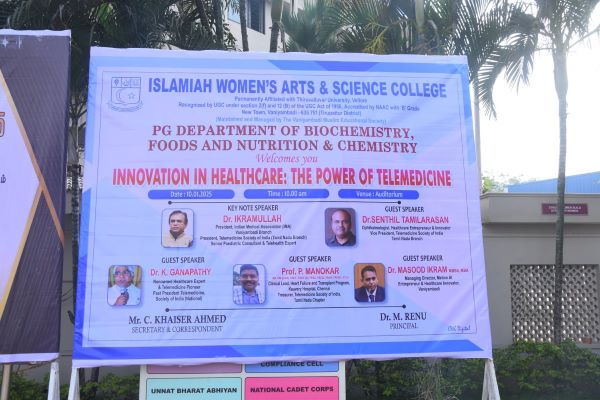
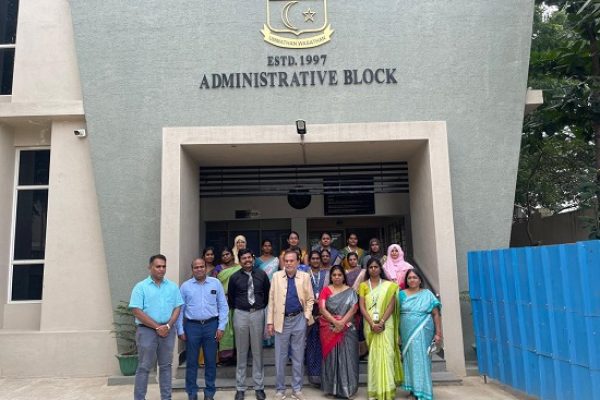
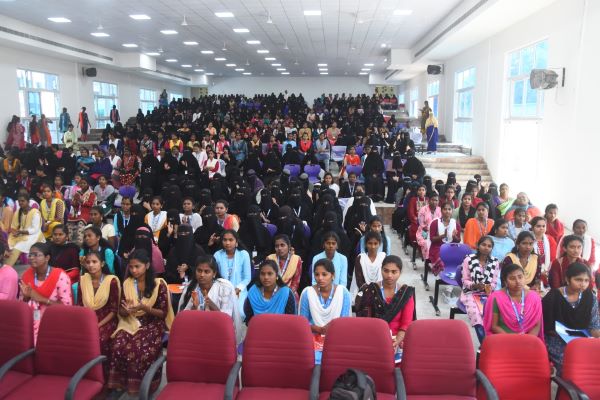
Under the visionary leadership of Dr. Ikramullah, TN TSI organized a landmark one-day seminar on January 10, 2025, at Islamiah Women’s College in Vaniyambadi. The seminar, aimed at enlightening 1,150 final-year students from biochemistry, biology, and computer science with AI subjects, introduced them to the transformative potential of telemedicine in healthcare. With a focus on improving healthcare delivery in underserved regions, the event highlighted how telemedicine can revolutionize access to medical services. The seminar featured a distinguished panel of experts from ophthalmology, cardiology, and AI-driven telemedicine, who shared invaluable insights under the theme “The Power of Telemedicine in Health Services.” Their thought-provoking presentations left an indelible impact on the students, inspiring them to be part of the healthcare transformation.

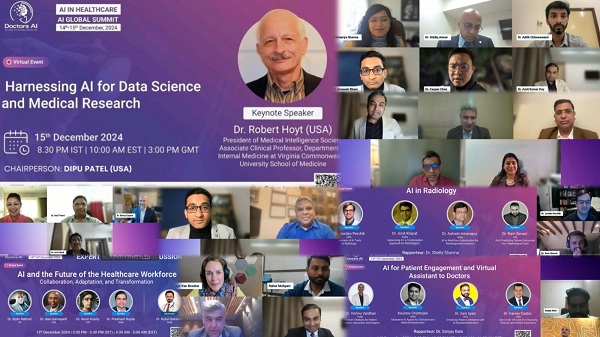
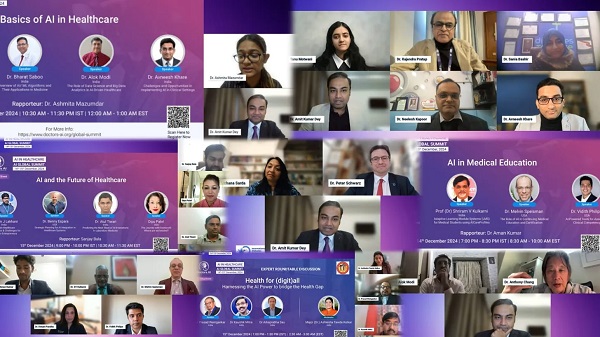
The Doctors for AI Group held the AI Global Summit on the Medsynapse platform, further cementing AI’s role in the healthcare revolution. The two-day summit, held on December 14 and 15, brought together over 1,000 participants, including 100+ faculty members and 30 international experts. Attendees engaged in 14 plenary sessions and 8 expert roundtable discussions, exploring the cutting-edge advancements in AI’s integration with healthcare. As Dr. Harvey Castro, a renowned AI Futurist & Healthcare Innovator, aptly noted, “The AI in Healthcare Global Summit 2024 was a groundbreaking platform, bringing together global leaders to discuss transformative AI solutions. The exchange of innovative ideas and networking opportunities underscored the event’s impact on the future of medicine.”

In another remarkable achievement, our esteemed EC member from Gujarat, Dr. Raj Rawal, was honored with an award by Gujarat’s Health Minister, Shri Rushikesh Patel, for his exceptional work in critical care, digital health, and TeleICU. This recognition highlights his dedication to advancing healthcare through digital innovation, and we congratulate him on this well-deserved accolade.

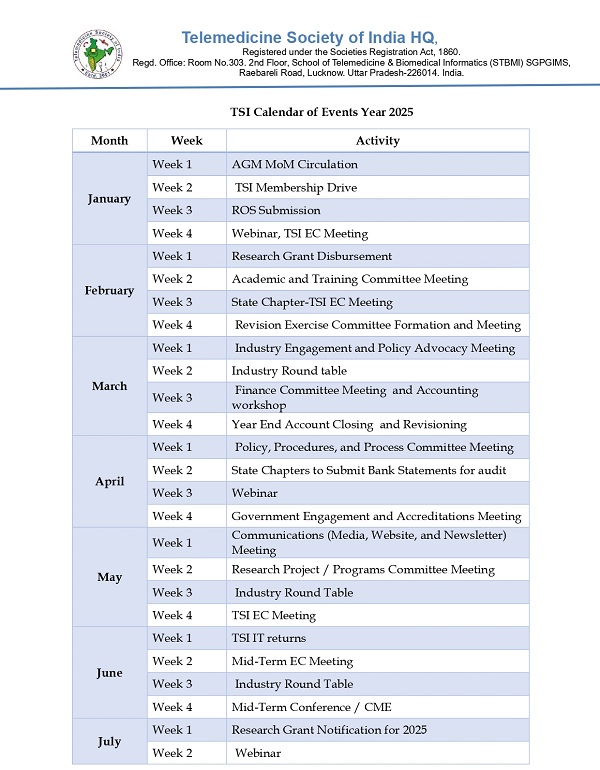
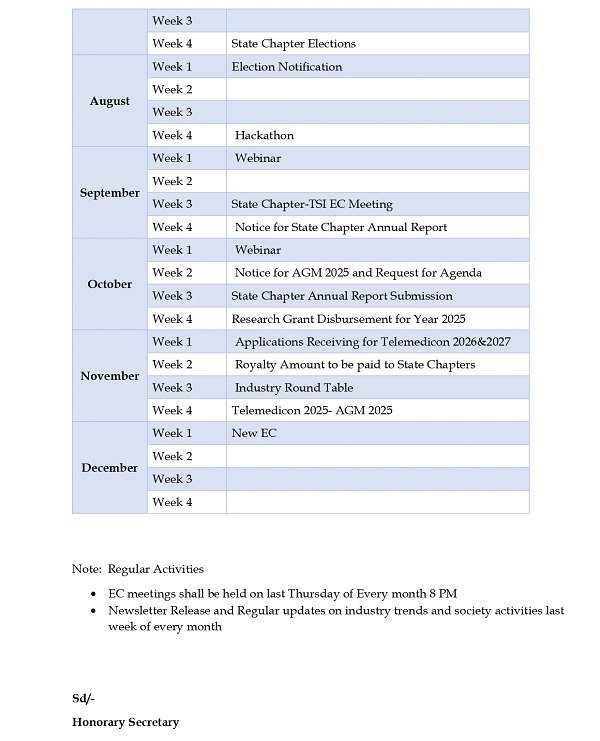
Dr. Umashankar, our dynamic secretary, has introduced a forward-thinking initiative for 2025: a calendar of events that will keep all members informed and engaged throughout the year. This initiative ensures that all members are reminded of upcoming events, fostering greater collaboration and participation in the group’s mission.

These milestones-whether through educational seminars, international summits, or organizational initiatives-showcase our collective commitment to advancing healthcare through technology, innovation, and knowledge sharing.

Thank You
Dr. Sunil Shroff
Chief Editor
President-Elect, TSI

Dr-Ikram_200x250

Revolutionizing Healthcare: Islamiah Women’s College Hosts Successful Telemedicine Seminar

Dr. Ikramullah
President,
Tamil Nadu Chapter, Telemedicine Society of India

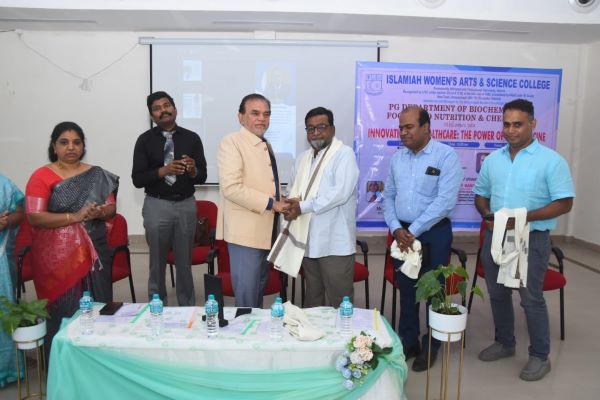
In a groundbreaking initiative, Islamiah Women’s College, Vaniyambadi, hosted a one-day Telemedicine seminar on January 10, 2025, which witnessed an overwhelming response from 1150 final-year students of biochemistry, biology, and computer science with AI subjects. The seminar aimed to enlighten students about the transformative power of Telemedicine in healthcare services.

The seminar featured an illustrious panel of subject experts in ophthalmology, cardiology, and Telemedicine with AI, who shared their invaluable insights on the topic “The Power of Telemedicine in Health Services.” The speakers’ presentations were met with a “jaw-dropping response” from both students and senior faculty members, who were captivated by the potential of Telemedicine to revolutionize healthcare.

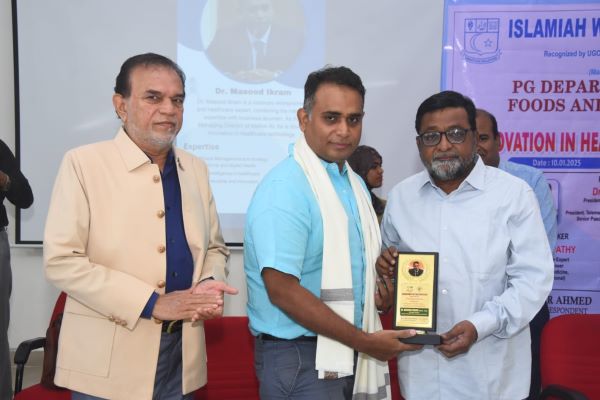
The seminar’s highlight was an interactive panel discussion, anchored by Dr. Masood Ikram, proprietor of Melon AI. The discussion provided a platform for students, teachers, and speakers to engage in a thought-provoking exchange of ideas, exploring the vast possibilities of Telemedicine in improving healthcare outcomes.

The organizers expressed their gratitude to the college committee, participants, and speakers for making the event a resounding success. The speakers were honored with shawls, mementos, and cash renumeration to cover their conveyance expenses – a gesture that reflected the organizers’ appreciation for their contributions.

This seminar marked a significant milestone in promoting awareness about Telemedicine among the future generation of healthcare professionals. As the world grapples with the challenges of healthcare accessibility and affordability, initiatives like this seminar demonstrate the potential of Telemedicine to bridge the gap and create a more equitable healthcare ecosystem.

Jan25_image2
dr_pavithra

Global Health Rewind 2024: A Year of Surprises & Setbacks

Dr. Pavithra S
Assistant Editor, Medindia.net

“The greatest wealth is to be healthy.”

As the Roman poet Virgil eloquently stated, This timeless wisdom resonates profoundly as we reflect on the global health landscape of 2024. The year 2024 was a year full of challenges and opportunities in the sphere of worldwide public health. As the crisis unfolded at the beginning of the COVID-19 pandemic was stabilized and, to some extent, even eased, new and chronic threats appeared that required complex and versatile protection of the world’s health.

Navigating the Rising Tide of Health Challenges

Resurgence of Infectious Diseases: Last year, we saw a worrisome spike in infectious diseases, more so in communicable ones. Measles incidence increased across many countries because of reduced vaccine coverage linked to misperceptions about vaccines and vaccination. Similar, more preventable diseases were on the rise, such as pertussis and even polio. Immunization programs remained fragile across the world.

Looming Shadow of Antimicrobial Resistance: Communicable diseases remained highly dangerous, in particular the growth of microbes resistant to antibiotics and antifungal agents. Fewer options for controlling these infections increased the morbidity and mortality rates, leading to the development of more solutions to reduce the increasing trend in this social vice.

Climate Crisis: Another unrelenting force, climate change, remained on the rise, affecting human health in various ways. Many disasters took place, such as high temperatures, which affected the rates of developing heat illnesses, infectious diseases, and respiratory ailments.

Mental Health Crisis Deepens: There was a worsening of the global mental health situation characterized by a high incidence of anxiety, depression, and other related disorders. This speaks volumes about the need to improve provisions of mental health care, change or eliminate negative attitudes towards mental health care, and improve overall well-being.

Growing Burden of Non-Communicable Diseases: The level of incidence of diseases that are long-lasting and non-communicable, such as cardiovascular diseases, cancer or diabetes, did not reduce but rather increased, especially in LMICs. Such diseases can be attributed to lifestyle factors such as inadequate nutrition, lack of exercise, and tobacco consumption.

Advancements and Opportunities in Healthcare in 2024

Technological Advancements Transforming Healthcare:

AI and machine learning had a significant impact in healthcare throughout the year, including in diagnostics, new drug development, and precision medicine. Digital health was enhanced to progress healthcare delivery, increasing the chances of healthcare services, especially among patients from remote areas with limited access to healthcare facilities.

Renewed Focus on Health Equity: The previous year was marked by a general focus on health inequalities and the need for equitable access to health for every population group irrespective of their status in terms of wealth, color, or where they lived in the world in 2024.

Strengthening Global Health Collaboration: Intergovernmental relations as well as cooperation and collaboration between and among various nations, organizations, and researchers continued to be essential in dealing with current complex issues in global health, including the preparedness for and response to pandemics.

Paving the Way Ahead for 2025

As we move into 2025, several key areas will require continued attention and strategic action:

    • Strengthening Primary Healthcare: There is no greater strategy than to develop and improve the quality of primary healthcare systems for the people, especially in certain regions of the world that are most needy.

    • Combating Vaccine Hesitancy: Overcoming misconceptions, increasing citizens’ confidence in vaccines, and increasing the availability of vaccines should be the key priorities for nations to sustain a high percentage of vaccination and prevent the spread of vaccine-preventable diseases.

    • Integrating Climate Change Considerations: There is a need for a cross-sectional approach in tackling the heat effects of climate change, which encompasses the reduction of greenhouse gas emissions, climate change adjustment, and enhancing the capacity of the health sector to manage climate-borne health perils.

    • Prioritizing Mental Health: Lowering stigmatization of mental disorders as well as offering easy access to mental health services and encouraging mental health will be paramount in meeting the increasing demands of mental health.

    • Addressing the NCD Epidemic: Measures for risk factor reduction, including tobacco use, encouraging healthy diets and expanding the availability of fresh, affordable fruits and vegetables, need to be put in place.

    • Expanding and Refining Telehealth: Like most innovations, more work has to be done to further extend high-quality telehealth services by overcoming the barriers associated with data privacy and availability to all populace.


Within the multifaceted and dynamic space of global health in 2024, we saw an important lesson on the connection between human, animal, and environmental health. As daunting as the year was, there were plenty of examples of people’s ability to sustain themselves, innovate, and come together. With some hard work, political will, and effort, the needed shift towards a cure-focused, communicative, and comprehensive prevention of diseases, and investment in public health care infrastructures will be attained to create a better future for generations to come.

Doctors AI Global Summit 2024 Special Edition: Wrap Up of a Landmark Event in the Global Med AI Landscape

On December 14 and 15, 2024, the Doctors AI Virtual Global Summit on AI in Healthcare was successfully conducted on the Medsynapse platform, marking a pivotal moment in the integration of AI into healthcare. This year, we welcomed over 1,000 attendees, including more than 100 esteemed faculty members and 30 international experts, across 14 plenary sessions and 8 expert roundtable discussions.

“The AI in Healthcare Global Summit 2024 was a groundbreaking platform, bringing together global leaders to discuss transformative AI solutions. The exchange of innovative ideas and networking opportunities truly underscored the event’s impact on the future of medicine.”

Harvey Castro, MD, AI Futurist & Healthcare Innovator

Key Highlights

Inspirational Keynotes: An exceptional lineup of keynote presentations defined the summit. Dr. Banshi Saboo set the stage with “The Transformative Power of AI in Healthcare: Current State and Future Directions.” Following this, Dr. Anuj Maheshwari presented “The Future of High Value Patient Care: AI’s Role in Shaping Healthcare Delivery.” Dr. Anthony Chang provided a critical examination of “Ethical Considerations in AI-Driven Healthcare: Balancing Innovation with Responsibility”. Dr. William Brinson Weeks offered insights into “AI for Good: Responsible Explainable AI towards Equitable Health for All.” Dr. Peter Schwarz discussed innovative approaches in “Effective Diabetes Care in the Pocket of Every Individual Using Artificial Intelligence.” Dr. Shasank Joshi’s address, “AI in Healthcare for India: Where Do We Stand?” resonated deeply, inspiring attendees to envision the transformative potential of AI in regional and global healthcare contexts. Dr. Piyush Mathur discussed “Evaluation and Validation of Large Language Models (LLMs) for Use in Healthcare.” Finally, Dr. Robert Hoyt concluded the keynotes with “Harnessing AI for Data Science and Medical Research.”

Engaging Panels and Plenary Sessions: With topics ranging from AI ethics to the integration of AI into precision medicine, these discussions promoted rich interdisciplinary collaboration and set the stage for actionable solutions to some of healthcare’s most pressing challenges.

Oral Presentation Competition: The Oral Presentation Competition was a highlight of the summit, judged by an esteemed panel consisting of Dr. Shambo S. Samajdar, Dr. Alok Modi, Dr. Atul Tiwari, Dr. Shelly Sharma, and Maj (Dr.) Ashlesha Tawde Kelkar. Congratulations to Dr. Prahlada H N, who clinched the first prize with their innovative AI-based model predicting outcomes of Cochlear Implantation.

A Reflection on the AI in Healthcare Global Summit

The AI in Healthcare Global Summit, organized by Doctor’s AI, was a groundbreaking event that showcased innovative ideas, cutting-edge advancements, and pioneering research shaping the future of healthcare. As both an attendee and participant, I am honored to share my experiences from this transformative gathering, where I earned first place in the oral research presentations.

From the outset, the summit radiated excellence, uniting visionary leaders, researchers, and professionals committed to integrating AI into healthcare. Led by founding members—Dr. Amit Kumar Dey, Dr. Avneesh Khare, Dr. Alok Modi, and Dr. Bharat Saboo- the event provided an exceptional platform for collaboration and learning, reflecting their vision and dedication to innovation.

Program Highlights

The summit’s diverse topics covered critical areas like AI in public health, medical subspecialties, and drug discovery. Among the standout sessions:

Drug Discovery and Development with AI: This session, in collaboration with the Indian Pharmacological Society, explored the transformative role of AI in pharmaceuticals. Esteemed speakers like Dr. Prafull Mohan, Santosh Dixit, and David A. Hall highlighted how AI is streamlining drug discovery, optimizing clinical trials, and enabling personalized medicine.

Oral Research

Presentation Awards: A summit highlight, these presentations celebrated innovation and research. I was thrilled to win first prize for my work on AI models predicting cochlear implantation outcomes in inner anomalies. The competition, expertly coordinated by Dr. Atul Tiwari and Dr. Alok Modi, was enriching for all participants.

DAI and the Future of Healthcare: The closing session, featuring speakers like Benny Esparra and Dr. Om J. Lakhani, highlighted the vast potential of AI in healthcare systems, laboratory medicine, and physician entrepreneurship.

The Human Element

What set this summit apart was its focus on the human mission behind AI in healthcare. From Dr. Robert Hoyt’s insights on AI in research to Dr. Dipu Patel’s reflections on Doctor’s AI’s journey, the summit emphasized that AI is not just about technology—it’s about saving lives, improving care, and ensuring equitable access to healthcare.

Gratitude and Vision

I extend my gratitude to rapporteurs like Shambo Samrat Samajdar, Major Dr. Ashlesha Tawde Kelkar for skillful moderation, and Anirudh Gangadharan for amplifying the event’s impact.

Congratulations to the founding members of Doctor’s AI for creating such a powerful platform. This summit has left me inspired to further the field, ensuring AI transforms lives and bridges global healthcare gaps.

Gratitude and Vision

I extend my gratitude to rapporteurs like Shambo Samrat Samajdar, Major Dr. Ashlesha Tawde Kelkar for skillful moderation, and Anirudh Gangadharan for amplifying the event’s impact.

Congratulations to the founding members of Doctor’s AI for creating such a powerful platform. This summit has left me inspired to further the field, ensuring AI transforms lives and bridges global healthcare gaps.

– Dr. Prahlada N.B

MBBS (JJMMC), MS (PGIMER, Chandigarh), MBA in Hospital & Healthcare Management (BITS, Pilani), Postgraduate Certificate in Technology Leadership and Innovation (MIT, USA), Executive Programme in Strategic Management (IIM, Lucknow), Senior Management Programme in Healthcare Management (IIM, Kozhikode), Advanced Certificate in AI for Digital Health and Imaging Program (IISc, Bengaluru).

Senior Professor, and former Head, Department of ENT-Head & Neck Surgery, Skull Base Surgery, Cochlear Implant Surgery. Basaveshwara Medical College & Hospital, Chitradurga, Karnataka, India. Hon. Secretary, IMA, Chitradurga.

"A transformative experience that illuminated the profound potential of AI in modern medicine." - Muba Sherin, 4th year Medical Student

Acknowledgment

On behalf of Dr. S. V. Kulkarni (Patron), Dr. Amit Kumar Dey (Founder Chair), Dr. Avneesh Khare (Founder Member), Dr. Alok Modi (Founder Member), and Dr. Bharat Saboo (Founder Member), we extend our profound gratitude to the distinguished speakers, panelists, moderators, sponsors, participants, organizing and scientific committee members, and other invaluable contributors whose collective efforts shaped this summit into a landmark event.

We extend our sincere appreciation to our team of rapporteurs, including Dr. Shelly Sharma, Dr. Rahul Mohpari, Dr. Shambho Samrat Samajdar, Dr. Sanjay Bala, Dr. Ashmita Mazumdar, Dr. Aishwarya Sharma, Dr. Karan Chawla, Siddharth Narayan, Amey Olwallwar, Aman Kumar, Tanu Motwani and Anirudh Gangadharan.

Our heartfelt thanks go to all our collaborators, whose steadfast support was integral to the summit’s successRead More

::Awards::

Dr. Raj Rawal has received award from Gujarat Health Minister Shri Rushikesh Patel, in presence of Gujarat Chief Minister Shri Bhupendrabhai Patel and IMA President elect Shri Dr. Anilbhai Naik in recognition for excellent work in CRITICAL CARE, DIGITAL HEALTH and TELEICU.

::ANNOUNCEMENTS::

Telemedicine – News from India & Abroad


Artificial Intelligence Can Double Human Lifespan

Dario Amodei, CEO of Anthropic, shared his bold vision at the 2025 World Economic Forum in Davos, Switzerland…….. Read More


AI-Powered Jaundice Detector

Infants need to be screened for neonatal jaundice (NNJ) during the first two to three weeks of life. This process often requires frequent clinic visits……….. Read More


Telemedicine and Health Insurance: Transforming Healthcare Access

Telemedicine enhances healthcare access and cost-effectiveness. Insurance covers teleconsultations but faces regulatory and technological challenges…….. Read More


Rising Demand for Telehealth Abortion Services

Study highlights the growing reliance on telehealth and mail for medication abortions, ensuring access for individuals living in restricted or distant areas……….. Read More

Telemedicine Practice Guidelines – A Foundation Course for RMPs by TSI Faculty

To know more about the Telemedicine Foundation Course click on the link below:
https://tsitn.org/tpg-course/

TSI invites all the TSI Chapters and Members to submit information on their upcoming Webinar or Events (50 words), News related to Telemedicine (200 words) or short articles (500 words) for the monthly e-newsletter.Guidelines for submission to TSI Newsletter-

  • Report can be from 500 to 600 words
  • Report Should be relevant to Telemedicine or Medical Informatics
  • No promotion of self or any product
  • Avoid plagiarism
  • All references should be included
  • Provide any attributions
  • Visuals are welcome including video links
  • Send full authors name, degrees, affiliations along with a passport sized photograph of good resolution. If multiple authors only main author photo to be sent.

Submission may be sent to – tsigrouptn@gmail.com
Editors reserve the rights for accepting and publishing any submitted material.

Editor in Chief – Dr. Sunil Shroff
Editors – Dr. Senthil Tamilarasan & Dr. Sheila John
Technical Partner- https://www.medindia.net