Telemedicine Society of India

Generic selectors
Exact matches only
Search in title
Search in content
Post Type Selectors

Telehealth Newsletter

Official Newsletter of Telemedicine Society of India

What is New?

Artificial Intelligence (AI) is rapidly transforming healthcare, from clinical decision support and medical imaging to remote patient monitoring, predictive analytics, and virtual care. As telemedicine increasingly integrates AI into routine practice, an equally important question arises: How do we
ensure that AI remains safe, ethical, inclusive, and beneficial to all?

At the 2026 World AI Conference (WAIC) in Shanghai, global discussions extended beyond technological breakthroughs to focus on the governance of AI. For the first time a global leader has spoken so eloquently about impact of AI on humanity and how it can be used for its upliftment and how to keep it inclusive. I have covered this in my article.

As India continues to expand telemedicine and digital health under initiatives such as the Ayushman Bharat Digital Mission, professional bodies like the Telemedicine Society of India (TSI) have an important role in promoting responsible AI adoption through education, standards, research, and interdisciplinary collaboration.

The discussions at WAIC remind us that the future of AI in healthcare will depend not only on technological innovation but also on trust, ethics, governance, and international cooperation. These are conversations in which the telemedicine community must actively participate.

As the conference aptly concluded with a Chinese proverb:
“A single string cannot make music, and a single tree does not make a forest.”

The future of AI in healthcare will be strongest when innovation is accompanied by collaboration,
shared responsibility, and a commitment to improving health outcomes for everyone.

The Telangana Chapter of the Telemedicine Society of India hosted its Mid-Term National Conference on 18 July 2026 at Maheshwara Medical College & Hospital, Hyderabad. The meeting was conceived as a multidisciplinary academic platform rather than a specialty-specific gathering, bringing clinicians,public health specialists, engineers, AI practitioners, hospital administrators, entrepreneurs, faculty and students.

Kerala chapter did a unique Pilgrimage Telemedicine camp as part of the Kottiyoor Vysakha Mahotsavam provided accessible healthcare services to the large number of pilgrims attending the festival. An estimated 3 to 5 lakh devotees participated in this pilgrimage, creating a significant need
for timely medical assistance.

Preparation is going full steam for our annual conference at Jaipur. Please register in large numbers.

Thank You
Dr. Sunil Shroff
Chief Editor
President, TSI

AI Will Shape Humanity—Now Humanity Must Shape AI

Dr. Sunil Shroff
President, Telemedicine Society of India | Consultant Urologist & Transplant Surgeon

Subtitle: Four key principles from President Xi Jinping’s keynote at the 2026 World AI Conference.

Artificial Intelligence is no longer just about technology—it is rapidly becoming a defining force that will shape economies, societies, geopolitics, and the future of humanity.

At the 2026 World AI Conference in Shanghai, Chinese President Xi Jinping presented a broad vision for global AI governance, emphasizing that AI should serve humanity rather than divide it. For the first time a world leader has spoken this eloquently about AI’s impact and his broad vision is completely in sync with what humanity wants.

The speech centered on a simple but powerful idea: AI is too important to be governed by individual nations acting alone. Just as the steam engine, electricity, and the Internet transformed civilization, AI represents the next great technological revolution. However, unlike previous innovations, AI raises unprecedented questions about ethics, security, trust, and equitable access.

Xi structured his vision around four guiding principles.

1. Open Innovation:
AI should remain an engine for economic growth through collaboration, open-source development, knowledge sharing, and real-world applications. Rather than creating technological silos, countries should encourage innovation ecosystems where industries, researchers, and businesses collectively benefit from AI.

2. Safety and Responsible Governance:
As AI increasingly influences decision-making, governance must evolve alongside technology. Robust laws, ethical frameworks, monitoring systems, and emergency safeguards are essential to ensure AI remains secure, transparent, and under meaningful human oversight. At the same time, AI security should not become a justification for technological isolation or excessive geopolitical rivalry.

3. Inclusiveness and Respect for Diversity:
Perhaps one of the more thought-provoking aspects of the speech was the emphasis that AI should strengthen—not diminish—human cultures and civilizations. AI systems should reflect humanity’s shared values while respecting cultural diversity, encouraging dialogue, mutual learning, and greater understanding across societies.

4. Global Cooperation:
The strongest message was the call for multilateral governance. Xi argued that AI should be treated as a global public good, requiring common standards, coordinated governance, and international cooperation under institutions such as the United Nations. He emphasised that we need to on ensure that developing nations are not left behind as AI capabilities expand, helping bridge both the AI and digital divides.

The speech also outlined China’s growing role in AI development through continued investment, regulatory frameworks, international initiatives, and the launch of the World Artificial Intelligence Cooperation Organization (WAICO). Significant commitments—including AI training opportunities for developing countries, regional cooperation centers, and AI-powered meteorological warning systems—were presented as practical steps toward global capacity building.

Regardless of one’s geopolitical perspective, the speech raises questions that deserve global attention. As AI becomes deeply integrated into healthcare, education, manufacturing, governance, and scientific discovery, humanity faces choices that extend far beyond technological advancement. The real challenge is ensuring that innovation proceeds hand in hand with ethics, trust, inclusion, and international collaboration.

The future of AI will not be determined solely by breakthroughs in algorithms or computing power. It will depend equally on whether nations can build consensus on governance that balances innovation with responsibility, competitiveness with cooperation, and national interests with the broader interests of humanity.

As the Chinese proverb quoted in the speech reminds us: “A single string cannot make music, and a single tree does not make a forest.” The future of AI will be strongest if it is built together.

#ArtificialIntelligence #AIGovernance #GlobalCooperation #ResponsibleAI #FutureOfTechnology

(Re-printed from my LinkedIn article)

Mid-Term National Conference 2026 Organised by Telemedicine Society of India – Telangana Chapter

Theme: “Innovating Healthcare for Stronger, Sustainable Communities”

OVERVIEW

The Telangana Chapter of the Telemedicine Society of India hosted its Mid-Term National Conference on 18 July 2026 at Maheshwara Medical College & Hospital, Hyderabad. The meeting was conceived as a multidisciplinary academic platform rather than a specialty-specific gathering, bringing clinicians, public health specialists, engineers, AI practitioners, hospital administrators, entrepreneurs, faculty and students onto a single forum.

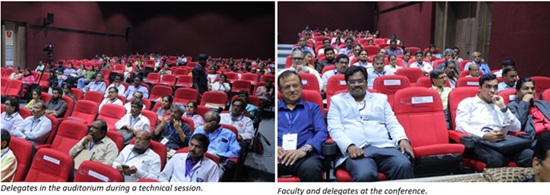
The programme ran across two technical sessions with fifteen invited speakers, two expert panel discussions with open-house interaction, a session of technical presentations, and an industry exhibition and innovation showcase. Themes spanned artificial intelligence in clinical practice, telemedicine for rural and underserved populations, digital public health infrastructure, aerospace medicine, reconstructive surgery, oncology, palliative care and preventive cardiology.

PATRONAGE AND INAUGURAL SESSION

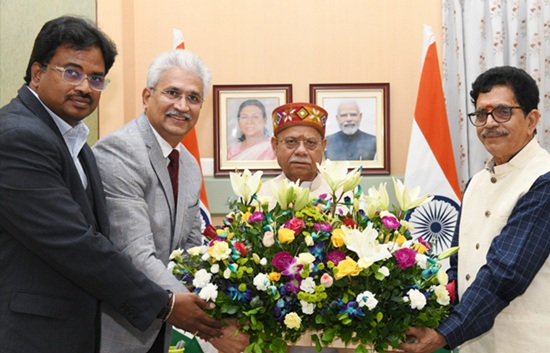
The conference was held under the patronage of His Excellency Shri Shiv Pratap Shukla, Hon’ble Governor of Telangana, who conveyed a written message to the organisers and delegates. He described telemedicine as a transformative force capable of carrying quality medical services into remote, rural and tribal regions, and commended the Society for its sustained work in promoting digital health and the responsible use of artificial intelligence in healthcare. He made particular mention of the Family Adoption Programme as a means of drawing medical students into sustained engagement with underserved communities.

Proceedings opened with remarks by Dr. B. V. Krishna Rao, Vice-President of the Telangana Chapter and Senior Director of Maheshwara Medical College & Hospital, who framed the day around a collective professional responsibility to extend quality care to rural and underserved populations.

“Collectively, we can ensure that geographical distance does not become a barrier to quality healthcare.”

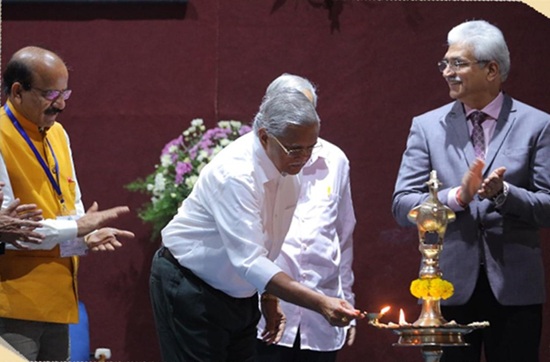
Mr. S. Ramachandra Vishnubhatta, President of the Telangana Chapter, presented the Chapter’s vision, objectives and future roadmap, drawing on four decades of work in telemedicine and digital health that includes urban primary health centre teleconsultation, telemedicine-enabled sub-centres and the ANMOL programme. Dr. K. Krishna Reddy, Chairman of SVS Medical College and President of the Telangana State Private Medical & Dental Colleges Management Association, addressed the gathering. The inaugural session concluded with the lamp lighting and felicitation of dignitaries.

National leadership of the Society in attendance included Dr. Remella Murthy, President-Elect, and Prof. (Dr.) S. Umashankar, Honorary Secretary. Shri Chakrapani, IAS (Retd.) attended alongside academicians, healthcare professionals, technologists and industry representatives.

Lamp lighting at the inaugural session

SCIENTIFIC PROGRAMME

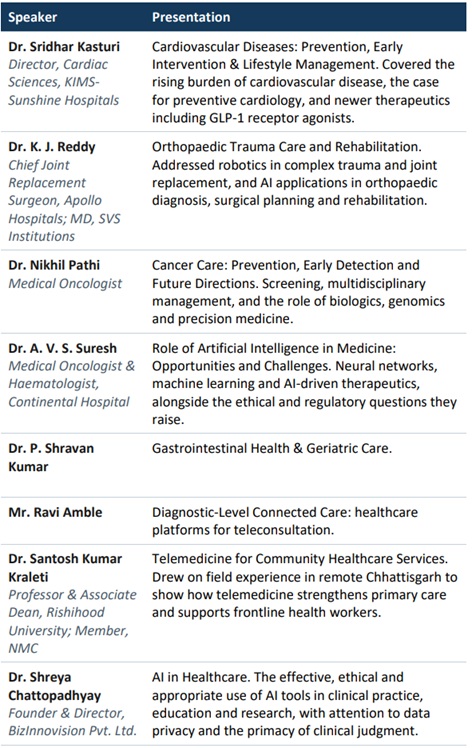
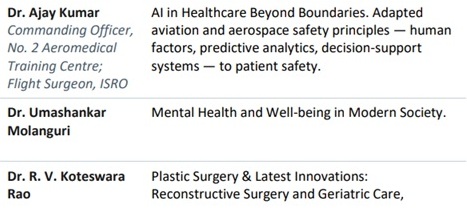
The scientific programme was delivered across two technical sessions. Speakers and their presentations are listed below.

AWARDS AND RECOGNITION

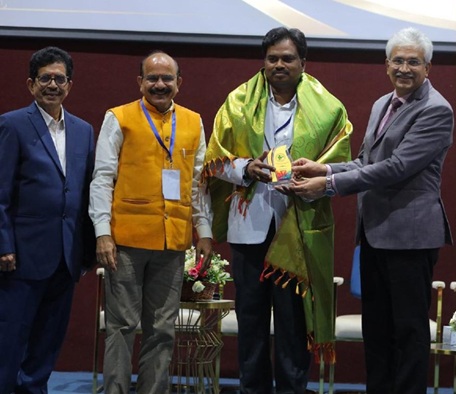
The Chapter conferred three awards recognising contributions to technology-enabled and community-based care:
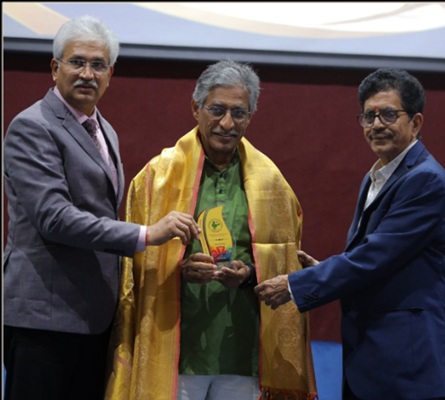
• Excellence in Community Health — Dr. Karunakar Reddy – Swashodhan Trust
• Excellence in Remote Care — Mr. K. Uma Mahesh (Rijuven)
• Trailblazer Award in eSanjeevani — Dr. Rajiv Kumar

Guest speakers were felicitated and presented mementoes at the close of the second technical session.

Excellence in Community Health presented to Swashodhan Trust

Excellence in Remote Care presented to Rijuven

Trailblazer Award in eSanjeevani presented to Dr. Rajiv Kumar

VALEDICTORY

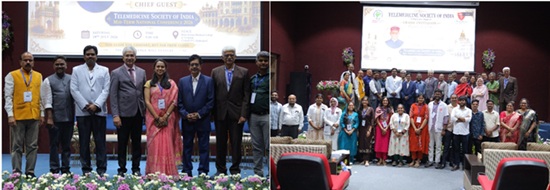
Closing remarks were delivered by Dr. Rajiv Kumar Bandaru, EC member of TS TSI and Dr. Akhila K., Secretary of the Telangana Chapter, drawing together the threads of the day across artificial intelligence in public health, telemedicine for rural populations, aerospace medicine, reconstructive surgery and cardiology. The vote of thanks was proposed by Mr. K. Uma Mahesh, Treasurer of the Chapter. The conference closed with the National Anthem, a group photograph and high tea.

OUTCOMES

• One credit point awarded by the Telangana Medical Council for full-day attendance.
• Two expert panel discussions with open-house audience interaction, alongside a dedicated session of technical presentations.
• An industry exhibition and innovation showcase running through the day.
• A proposal from Dr. Sridhar Kasturi to jointly organise a dedicated Cardiovascular Workshop with Maheshwara Medical College & Hospital.
• Cross-disciplinary participation from medical, engineering and management students alongside practising professionals.


A Pilgrimage Telemedicine Medical Camp at Kottiyoor Temple

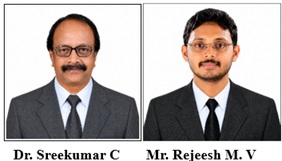
Dr. Sreekumar C
Professor of General Surgery and Telemedicine Medical Officer

Mr. Rejeesh M. V
Department of Amrita ISRO Telemedicine
Amrita Telemedicine System Administrator

Kottiyoor Temple is one of the most sacred and ancient temples dedicated to Lord Shiva in Kerala. Located on the banks of the Bavali River in Kannur district and surrounded by the lush forests of the Western Ghats, the temple is believed to be the holy site where the legendary Daksha Yaga took place. Revered as Dakshina Kashi, Kottiyoor is a unique pilgrimage centre consisting of two shrines—Ikkare Kottiyoor, the permanent temple, and Akkare Kottiyoor, a temporary shrine that is opened only during the annual Kottiyoor Vysakha Mahotsavam, a 28-day festival celebrated during May–June. Every year, lakhs of devotees from across India visit the temple to participate in the sacred rituals and seek the blessings of Lord Shiva.

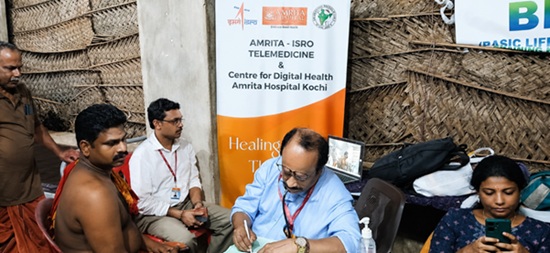
As part of the Kottiyoor Vysakha Mahotsavam 2026, a Pilgrimage Telemedicine Medical Camp was successfully conducted during the festival season to provide accessible healthcare services to the large number of pilgrims attending the festival. An estimated 3 to 5 lakh devotees participated in this pilgrimage, creating a significant need for timely medical assistance.

The medical camp was organized jointly by Amrita Institute of Medical Sciences (AIMS), Kochi, Amrita Telemedicine Unit, and the Telemedicine Society of India (TSI), Kerala Chapter. the Kerala Govt Malabar Devaswom Board, Malabar Medical Collage, Kottiyoor Govt Family Health Centre, The initiative aimed to ensure prompt medical care and specialist consultation for pilgrims through telemedicine technology.

The camp was inaugurated by Abhedamritananda Puri Swamiji. The medical services were led by Dr. C. Sreekumar, (Professor of General Surgery and Telemedicine Medical Officer)) who coordinated the clinical activities and supervised patient care. The event was also graced by the Commissioner, Malabar Devaswom Board, Kottiyoor Devaswom along with other dignitaries, healthcare professionals, and volunteers.

The telemedicine services were coordinated by Mr. Rajeesh M. V. Telemedicine System Administrator, who established and managed the telemedicine facilities, enabling real-time consultations with specialists at AIMS, Kochi and Medical college This ensured that pilgrims received expert medical advice without the need for referral to distant healthcare facilities. The telemedicine facility proved particularly beneficial for elderly devotees, individuals with chronic illnesses, and those requiring specialist evaluation, allowing timely diagnosis, treatment, counselling, and referral whenever necessary. Daily consultations and treatment range between 170 to 200. The tele medicine utilization comes to about 8 Percentage

The Pilgrimage Telemedicine Medical Camp was highly appreciated by the pilgrims, the temple authorities, and the organizing agencies. The initiative demonstrated the effectiveness of telemedicine in delivering quality healthcare during large religious gatherings and reaffirmed the commitment of Amrita Institute of Medical Sciences and its partners to providing accessible, technology-enabled healthcare services to the community.

Can AI Help Countries Prepare for Population Shifts?

Colleen Fleiss
M.SC (Bioinformatics)
Content Writer, Medindia.net

As cities grow, populations become more mobile, and climate change reshapes where people live, governments face a growing challenge: how do they plan for population shifts before they happen?

A new study published in Nature Communications suggests that artificial intelligence (AI), combined with satellite imagery, could become a powerful tool for predicting how people move within cities—helping governments make smarter decisions about transportation, housing, healthcare, disaster response, and urban development.

The research introduces an AI system called Imagery2Flow, which can estimate human mobility patterns using only publicly available satellite images. Unlike traditional approaches that rely on expensive travel surveys or mobile phone location data, the model predicts where people are likely to travel by analyzing the physical layout of cities from space.

Why Population Movement Matters
Population growth is no longer the only demographic challenge facing governments. Increasing urbanization, migration, aging populations, and climate-related displacement are rapidly changing where people live and how cities function.

Planning for these shifts has traditionally depended on census data, transportation surveys, and mobile phone records. While useful, these sources are often expensive, time-consuming to collect, or unavailable in many parts of the world.

As a result, policymakers frequently make infrastructure decisions using outdated information.

Researchers believe AI could help bridge this gap by providing timely, low-cost insights into population movement.

How AI Reads Cities from Space
The researchers developed Imagery2Flow, a deep learning model that analyzes satellite images captured at resolutions of 10 to 30 meters. Instead of identifying individual people, the AI examines features of the built environment—such as road networks, buildings, commercial districts, and urban density—to understand how these characteristics influence human movement.

The system then predicts origin-destination flows, estimating how many people are likely to travel between different parts of a city for commuting, shopping, education, or other daily activities.

The model was tested across the 10 largest metropolitan areas in the United States, where it successfully predicted mobility patterns with strong accuracy and demonstrated that it could also be applied to cities with limited mobility data.

One of the study’s key innovations is that the AI model does not require historical mobility records or personal location information.

Instead, it learns from satellite imagery using self-supervised deep learning and graph-based neural networks that identify relationships between neighborhoods and surrounding infrastructure. This allows the system to estimate movement patterns while avoiding many of the privacy concerns associated with tracking smartphones or collecting individual travel data.

The researchers also found that the model performed well when applied to satellite images from different years, demonstrating that it could capture changes in urban development over time.

Helping Governments Prepare for Population Changes
Researchers say the technology could have applications far beyond traffic forecasting.

Understanding where people move—and why—can help governments prepare for changing population needs in several areas, including:

  • Designing roads, rail networks, and public transport systems.

  • Planning hospitals, schools, and emergency services.

  • Supporting sustainable urban development.

  • Improving disaster preparedness and emergency response.

  • Identifying infrastructure needs in rapidly growing cities.

  • Supporting regions where mobility data is limited or unavailable.

The study also found that the model could transfer knowledge from data-rich cities to data-poor regions, potentially helping reduce inequalities in urban planning.

A Tool for the Future of Smart Cities
The researchers believe satellite imagery offers a significant advantage because it is updated regularly and provides consistent coverage across large geographic areas.

Unlike traditional surveys, which may take years to complete, satellite images can provide near real-time information about urban expansion, new housing developments, transportation infrastructure, and changes in land use.

By combining these images with AI, governments could gain faster insights into how cities are evolving and where future investments are needed.

The researchers note that this approach could support adaptive transportation systems, resilient communities, and more sustainable urban development.

Why This Matters on World Population Day
The findings come at a time when countries around the world are grappling with significant demographic changes. According to the United Nations, global population growth is increasingly shaped by urbanization, migration, and longer life expectancy rather than simply rising birth rates.

As populations become more concentrated in cities and climate change continues to influence migration patterns, governments will need better tools to anticipate where people are moving and what services they will require.

AI-powered models like Imagery2Flow could help policymakers move from reacting to population changes to planning for them proactively.

The Road Ahead
While the technology is still being refined, researchers believe AI could transform how governments understand population movement.

Future versions of the model may incorporate additional data sources, improve predictions across different countries, and help planners respond more quickly to demographic shifts, natural disasters, and infrastructure demands.

Rather than replacing traditional census and survey methods, AI could complement them by providing faster, more frequent insights into how cities change over time.

As the world’s population becomes increasingly urban and mobile, tools that can accurately predict human movement may become essential for building smarter, more resilient, and more sustainable communities.

Digital Heart Attack Risk Assessment: A Global Burden, an Indian Priority

Riya Singh
Deg: B.E Biomedical Engineering 2023-2027 (current)
Specialization: AI in Preventive Care and Diagnostics
College: Easwari Engineering College, Chennai

Cardiovascular disease remains the leading cause of death worldwide, and its burden is shifting increasingly toward low and middle income countries, including India. Most cardiovascular events arise from a small set of modifiable risk factors that can be identified well before symptoms appear. This report examines the global and Indian burden of cardiovascular disease, the rationale for accessible risk assessment tools, and the proposal of one such tool, the MedIndia Heart Attack Risk Calculator, which estimates ten year heart attack risk from routine health measurements. The report closes with a note on the appropriate use and limitations of such tools.

1. The Global Burden of Cardiovascular Disease
Cardiovascular disease is the leading cause of death globally. The World Health Organization estimates that 19.8 million people died from cardiovascular disease in 2022, accounting for approximately one third of all deaths worldwide, with 85 percent of these deaths caused by heart attack or stroke [1]. The most recent Global Burden of Disease analysis, covering 204 countries, reports that cardiovascular deaths rose from 13.1 million in 1990 to 19.2 million in 2023 [2]. The World Heart Federation similarly reports 20.5 million deaths in 2021, with four out of five occurring in low and middle income countries [3].

A substantial share of this burden is preventable. Close to 80 percent of cardiovascular deaths are linked to modifiable risk factors, including high blood pressure, elevated cholesterol, diabetes, smoking, and physical inactivity (sedentary lifestyle) [1][2]. This makes early identification of at risk individuals, well before a cardiac event occurs, one of the most effective levers available in cardiovascular prevention.

2. A Sharper Focus on India
The burden of cardiovascular disease is not distributed evenly across the world, and India carries a disproportionate share of it. South Asia, home to roughly one quarter of the global population, accounts for an estimated 60 percent of the world’s cardiovascular disease burden [4]. Within this region, India alone is estimated to account for around one fifth of global cardiovascular deaths, with a notable and concerning trend toward earlier onset in younger adults [4].

A recent systematic review and meta analysis of the Indian adult population estimated a pooled cardiovascular disease prevalence of 11 percent, with higher rates among women (14 percent) than men (12 percent), and a marked urban and rural divide, 12 percent in urban areas compared with 6 percent in rural areas [5]. These figures point to a rapidly evolving epidemiological picture, shaped by urbanisation, changing diets, rising rates of diabetes, and reduced physical activity.

3. The Case for Accessible Online Risk Assessment Tools
The idea of estimating cardiovascular risk from a defined set of measurable factors was formalised by the Framingham Heart Study, which produced gender specific scoring systems based on age, cholesterol, blood pressure, diabetes, and smoking status [6]. This approach has since been refined repeatedly, most recently through the American Heart Association’s PREVENT equations, which extend risk estimation across a wider age range and a broader set of cardiovascular outcomes [7]. Current cholesterol management guidelines continue to use similar low density lipoprotein thresholds, generally in the range of 100 to 160 mg per decilitre, to categorize risk and guide treatment decisions [8].

These validated models are, however, primarily built for clinical use. There remains a clear gap for simple, publicly accessible tools that allow individuals to obtain an approximate risk estimate using information they may already have, such as a recent blood test or blood pressure reading, without requiring a clinical visit. Such tools do not replace formal risk stratification, but they can prompt earlier engagement with a health professional, which is a stated goal of major public health bodies addressing cardiovascular disease [1][3].

4. The MedIndia Online Heart Attack Risk Self-Assessment Calculator
Medindia has plethora of free self assessment tools and one of them is the Heart Attack Risk Calculator that is readily available. It is a web based tool that estimates an individual’s ten year risk of heart attack or coronary artery blockage. It collects a limited set of inputs, namely age, gender, LDL and HDL cholesterol bands, systolic and diastolic blood pressure bands, and the presence of co-morbid factors like diabetes, smoking, or leading a sedentary lifestyle.

Each input is weighted and converted into a points value using separate scoring tables for men and women, reflecting the well documented difference in cardiovascular risk trajectories between the genders, particularly around and after midlife in women [6]. The total points determine both a ten year percentage risk estimate and a qualitative category, ranging from low to extremely high. The tool also generates supporting guidance on cholesterol management and lifestyle factors, broadly consistent with the thresholds used in current cholesterol management guidelines [8].

5. Relevance and Practical Value
Tools of this kind offer three practical advantages. First, accessibility: the calculator can be used by anyone with basic health readings, without cost or specialist equipment. Second, speed: an estimate is produced within minutes. Third, awareness: by translating routine health numbers into a single, explainable risk estimate, the tool can prompt individuals, particularly in settings with lower routine health screening rates, to seek a professional cardiovascular assessment sooner than they otherwise might.

This is particularly relevant in the Indian context, where cardiovascular disease is increasingly affecting younger adults [4], and where access to routine preventive screening is uneven between urban and rural populations [5]. A simple, free, and widely accessible self-assessment risk calculator can help bridge part of that awareness gap, complementing rather than replacing formal clinical risk assessment.

6. Limitations and Appropriate Use
Risk calculators of this kind are built on population level associations and provide an estimate, not a diagnosis. An individual result should be read as a general indication of relative risk and a prompt for further discussion with a qualified health professional, rather than a definitive clinical judgement. This is particularly important given that risk models are periodically revised, as seen with the transition from earlier Framingham based approaches to the newer PREVENT equations [7], to reflect updated population data and a broader range of cardiovascular outcomes.

Readers with elevated blood pressure, abnormal cholesterol levels, diabetes, a smoking history, or a family history of heart disease are advised to consult a general physician or cardiologist for a full clinical evaluation, irrespective of the result produced by any online calculator.

7. Conclusion
Cardiovascular disease continues to be the leading cause of death worldwide, and its burden is rising fastest in regions such as South Asia, with India bearing a significant and growing share. Since most cardiovascular risk is driven by a small number of measurable and modifiable factors, accessible screening tools have a meaningful role to play alongside clinical care. The MedIndia Heart Attack Risk Calculator is one example of such a tool, built on well established scoring principles, and offers a low cost, low barrier starting point for individuals to understand their cardiovascular risk and take timely action.

References
1. World Health Organization. Cardiovascular diseases (CVDs). Fact sheet, 2025. https://www.who.int/news-room/fact-sheets/detail/cardiovascular-diseases-(cvds)

2. GBD 2023 Cardiovascular Diseases Collaborators. Global, regional, and national burden of cardiovascular diseases and risk factors in 204 countries and territories, 1990 to 2023. Journal of the American College of Cardiology. 2025. https://www.jacc.org/doi/10.1016/j.jacc.2025.08.015

3. World Heart Federation. World Heart Report 2023: Confronting the World’s Number One Killer. Geneva, 2023. https://world-heart-federation.org/wp-content/uploads/World-Heart-Report-2023.pdf

4. Forecasting Atherosclerotic Cardiovascular Disease in South Asia Until 2040: A Bayesian Modeling Approach. 2025. https://www.ncbi.nlm.nih.gov/pmc/articles/PMC12790086/

5. Shannawaz M, Rathi I, Shah N, Saeed S, Chandra A, Singh H. Prevalence of Cardiovascular Disease Among the Indian Adult Population: Systematic Review and Meta-Analysis. International Journal of Environmental Research and Public Health. 2025;22(4):539. https://www.ncbi.nlm.nih.gov/pmc/articles/PMC12026997/

6. D’Agostino RB Sr, Vasan RS, Pencina MJ, Wolf PA, Cobain M, Massaro JM, Kannel WB. General cardiovascular risk profile for use in primary care: the Framingham Heart Study. Circulation. 2008;117(6):743-753. https://pubmed.ncbi.nlm.nih.gov/18212285/

7. Khan SS, Matsushita K, Sang Y, et al. Development and Validation of the American Heart Association’s PREVENT Equations. Circulation. 2024;149(6):430-449. https://www.ahajournals.org/doi/10.1161/CIRCULATIONAHA.123.067626

8. Grundy SM, Stone NJ, Bailey AL, et al. 2018 AHA/ACC/AACVPR/AAPA/ABC/ACPM/ADA/AGS/APhA/ASPC/NLA/PCNA Guideline on the Management of Blood Cholesterol. Circulation. 2019;139(25):e1082-e1143. https://www.ahajournals.org/doi/10.1161/cir.0000000000000625

9. de la Harpe R, Marques-Vidal P, Vaucher J. External validation of the 2023 American Heart Association PREVENT equations for atherosclerotic cardiovascular disease in a primary prevention setting, compared with SCORE2 and the 2013 Pooled Cohort Equations. European Journal of Preventive Cardiology. 2025. https://academic.oup.com/eurjpc/advance-article/doi/10.1093/eurjpc/zwaf213/8154097
Heart Attack Risk Calculator | 10-Year & Lifetime Assessment
 https://share.google/JanHHmsSxCw6ypma8

Assess your life time heart attack risk using the Medindia’s Heart Attack Risk Calculator!

::ANNOUNCEMENTS::

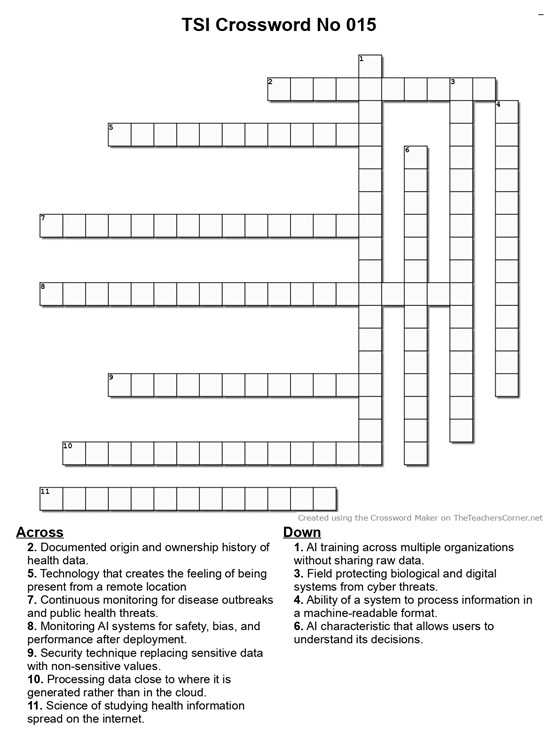
::CROSSWORD::

Telemedicine – News from India & Abroad

Can Agentic AI Transform Laboratory Workflows?

Agentic AI is helping laboratories connect fragmented data, automate routine workflows, and simplify access to information across systems………………. Read More

AI Cancer Detection in India: AstraZeneca Launches Precision Oncology Ecosystem

AstraZeneca India and Andhra Pradesh have launched an AI-powered precision oncology ecosystem………………….. Read More


Telemedicine Practice Guidelines – A Foundation Course for RMPs by TSI Faculty

To know more about the Telemedicine Foundation Course click on the link below:
https://tsitn.org/tpg-course/

TSI invites all the TSI Chapters and Members to submit information on their upcoming Webinar or Events (50 words), News related to Telemedicine (200 words) or short articles (500 words) for the monthly e-newsletter.Guidelines for submission to TSI Newsletter-

  • Report can be from 500 to 600 words
  • Report Should be relevant to Telemedicine or Medical Informatics
  • No promotion of self or any product
  • Avoid plagiarism
  • All references should be included
  • Provide any attributions
  • Visuals are welcome including video links
  • Send full authors name, degrees, affiliations along with a passport sized photograph of good resolution. If multiple authors only main author photo to be sent.

Submission may be sent to – tsigrouptn@gmail.com
Editors reserve the rights for accepting and publishing any submitted material.

Editor in Chief – Dr. Sunil Shroff
Editors – Dr. Senthil Tamilarasan & Dr. Sheila John
Technical Partner- https://www.medindia.net