Official Newsletter of Telemedicine Society of India
What is New?
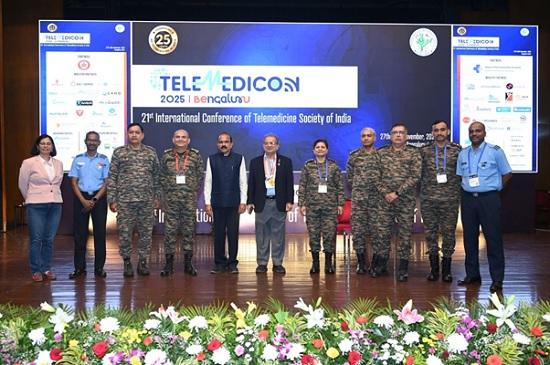
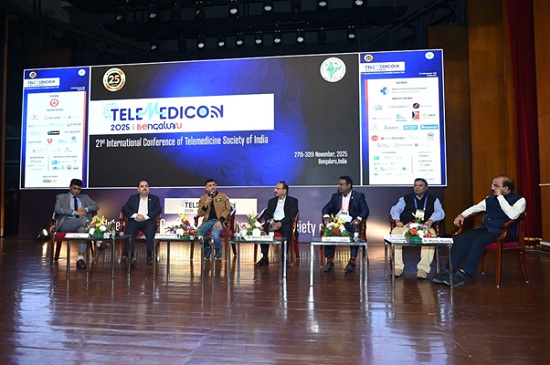
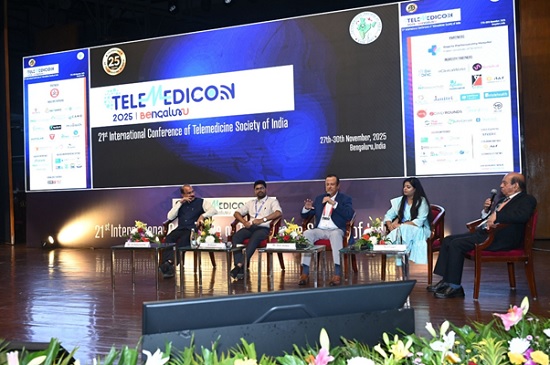
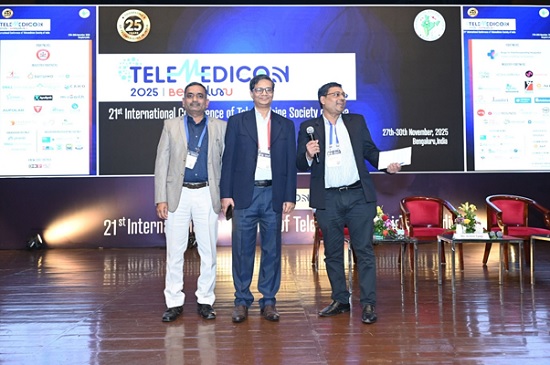
This issue of the newsletter captures highlights from recent activities at TELEMEDICON 2025. In addition, it features an upcoming meeting scheduled for March in Ahmedabad, being organised by Dr Raj Rawal. We also bring you selected updates from the rapidly evolving world of artificial intelligence.
More importantly, I wish to draw your attention to an appeal below that is of significance to all members of the Telemedicine Society of India.
Appeal to Inactive State Chapters of TSI
The Telemedicine Society of India today represents nearly 1,500 members across 20 state chapters. These chapters were originally formed with great enthusiasm and a shared commitment-to promote telehealth and extend quality healthcare to regions with limited access.
Over time, however, this initial momentum has not been sustained in several states. What began as a vibrant movement in many chapters has gradually become inactive, placing the national society at a critical crossroads.
This issue goes beyond activity alone; it is also a matter of governance and statutory responsibility. State chapters that maintain bank accounts are required to file tax returns and submit audited financial statements through the national society. Inactive chapters that are unable to meet these obligations expose the national body to legal, financial, and reputational risks. As a responsible national organisation, this situation cannot remain unaddressed.
A society is only as strong as its members. We joined this movement driven by a shared belief-that access to healthcare should not be determined by geography. Our collective passion to serve underserved and remote regions is what shaped the Telemedicine Society of India, and it is this very commitment that must now be renewed.
We therefore make a sincere appeal to all state chapters that are currently inactive to take immediate steps to regularise their functioning. This includes holding elections in accordance with the society’s bylaws, reconstituting office bearers, ensuring statutory compliance, and resuming meaningful academic and outreach activities.
Should a chapter be unable to do so within a reasonable timeframe, the national body will have no option but to declare such chapters inactive or initiate steps towards closure, in keeping with governance norms and regulatory requirements.
This is not a punitive measure, but a call for renewal-so that our society remains compliant, credible, and faithful to its founding mission. The Telemedicine Society of India must continue to stand as a strong, unified, and active force in advancing telehealth for the benefit of our country.
Thank You
Dr. Sunil Shroff
Chief Editor
President, TSI
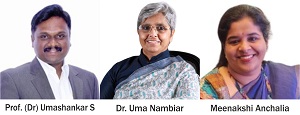
Prof. (Dr) Umashankar S.
Managing Director, Arogyayati Pvt Ltd | Honorary Secretary, Telemedicine Society of India
Dr. Uma Nambiar
CEO, IMSF Bagchi-Parthasarathy Hospital, Bangalore | Vice President, Telemedicine Society of India
Meenakshi Anchalia
Head – Quality IMSF Bagchi-Parthasarathy Hospital, Bangalore
Day 2 | 29 November 2025
Scientific Session were scheduled in 4 parallel sessions ( Main hall, Hall A , B and C)
Scientific Session 6
Time: 09:00 AM – 09:40 AM
Topic: Digital Trends in Critical Care
Session Chair:
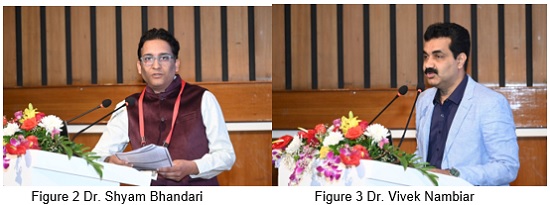
Session Co-Chair : Dr.Shyam Bhandari
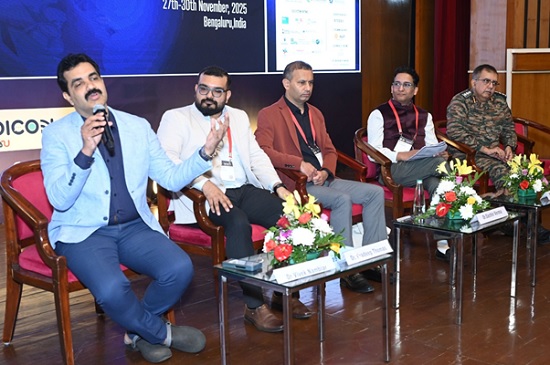
Panel Members:Dr. Vivek Nambiar, Dr. Sachin Verma, Dr. Pradeep Thomas, Dr. R. Krishnakumar
Topic: Stroke Medicine
Speaker : Dr. Vivek Nambiar
The session commenced with an in-depth discussion on stroke medicine by Dr. Vivek Nambiar, focusing on the transformative role of teleconsultation in acute stroke management, particularly within rural and underserved regions. Emphasis was placed on rapid stroke assessment, time-sensitive therapeutic interventions, and structured clinical decision-making pathways. Evidence from established tele-stroke models demonstrated notable improvements in timely intervention and overall patient outcomes.
Topic : The role of Tele-EM(Tele – Emergency Medicine) In Modern Healthcare
Speaker : Dr. Pradeep Thomas
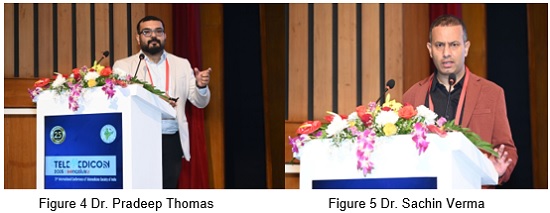
The session further explored the expanding role of Tele-Emergency Medicine (Tele-EM) by Dr. Pradeep Thomas., in strengthening modern emergency care systems. Various Tele-EM service delivery models were presented, highlighting optimized emergency workflows and the integration of remote specialist expertise. These approaches have significantly enhanced emergency response capabilities, especially in geographically remote and resource-limited settings.
Topic: Affordable Intelligent Critical Care (AICC): AI as the New Operating System of Critical Care
Speaker : Dr. Sachin Verma
A key segment of the session by Dr. Sachin Verma focused on Affordable Intelligent Critical Care (AICC), where artificial intelligence is increasingly positioned as a foundational “operating system” for critical care delivery. Discussions addressed critical workforce shortages and underscored the role of AI-enabled monitoring and automation in reducing clinician cognitive load, improving operational efficiency, and supporting high-quality decision-making in intensive care units.
Topic: Telehealth to Overcome Challenges in Resource – Limited Environments
Speaker : Dr. R Krishna Kumar
The session concluded with an examination of telehealth solutions designed for resource-constrained environments by Dr. R Krishna Kumar. Scalable digital care models, remote patient monitoring systems, and cost-effective critical care strategies were highlighted as essential components for improving healthcare access, equity, and outcomes in underserved populations.
Session 7 Timing: 09:45 AM to 10:25 PM
Session Topic: AI and Next-Gen Technologies in Healthcare (Doctors AI)
Session Chair: Dr. Sanjay Sharma.
Co Chair: Dr. Krishna Kumar
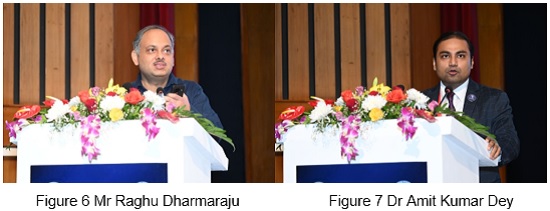
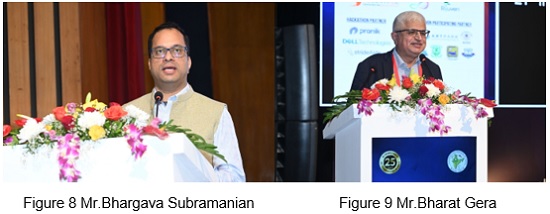
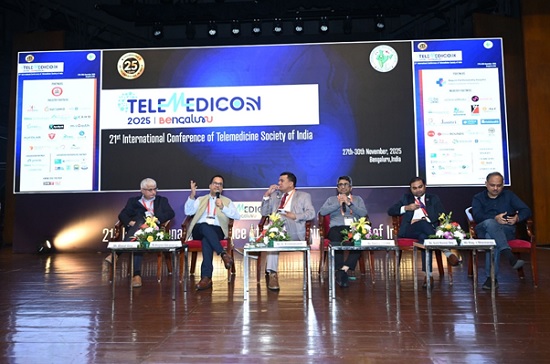
Panel Members : Mr. Raghu Dharmaraju, Mr. Kalyan Sivaselvam, Mr. Bharat Gera, Dr. Amit Kumar Dey, Mr. Bhargava Subramanian
AI to Make Telemedicine Useful and Effective
The session began with an exploration of the role of artificial intelligence in enhancing telemedicine by Mr. Raghu Dharmaraju, with a focus on intelligent triage systems, remote patient monitoring, and advanced clinical decision-support tools. Speakers emphasized the need to embed AI solutions within practical, real-world clinical workflows to ensure seamless adoption by healthcare providers and measurable impact on care delivery.
From Hype to Hands-On: Practical Path to AI Education for Doctors
A key discussion point was the existing gap between AI innovation and meaningful clinical adoption. The panel highlighted structured pathways to improve AI literacy among clinicians, underscoring the importance of hands-on training, responsible implementation, and ethical competence as core skills for healthcare professionals in the digital era.
The AI Explosion Means More Tele and More Medicine — and That’s a Good Thing
The session also examined voice-based agentic AI systems and their growing potential to improve patient adherence. Case examples illustrated how conversational AI, automated reminders, and personalized follow-up mechanisms can support medication compliance, lifestyle modification, and continuity of care across telemedicine platforms.
Further discussions positioned the rapidly evolving AI ecosystem as a critical accelerator for telemedicine expansion. The panel outlined how AI-driven diagnostics, automated remote workflows, and scalable care delivery models are enabling broader adoption of telemedicine while simultaneously strengthening conventional healthcare services.
The session concluded with a strong emphasis on a human-centric redesign of telemedicine in the AI era. Speakers stressed the importance of empathy-driven interfaces, robust clinician oversight, data privacy protections, and trust-building mechanisms. The discussion reaffirmed that responsible AI adoption must balance technological advancement with patient experience, ethical governance, and safety.
Session 8 Presidential Oration.
Chair: Dr. Sunil Shorff
Co Chair: Dr. Umashankar S
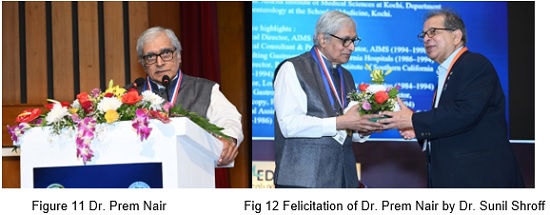
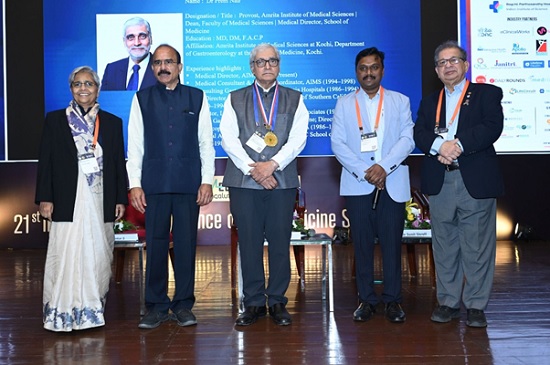
Speaker : Dr. Prem Nair, President, TSI
Session 9
Startup Pitch : Final Presentations & Panel Discussion
Startups Presented :
OUI Medical – Abdominal Imaging Device : Dr. Adarsh M. Patil
Ayu Devices – Medical-Grade Diagnostics : Adarsha K, Founder & CEO
Janitri – Maternal–Fetal Monitoring : Arun Agarwal, Founder & CEO
MyRx – Practice Management Platform : Sourav Das, Founder & CEO
2Care.ai – AI-Driven Chronic Care : Saket Toshniwal, CEO/CTO
The session featured five high-impact health technology startups that presented innovative solutions addressing key challenges across diagnostics, maternal and child health, digital practice ecosystems, and chronic care management.
OUI Medical introduced the P-Scope, a portable and minimally invasive abdominal endoscope designed to shift diagnostic procedures from conventional operating theatres to bedside and outpatient settings. The device enables visualization of the abdominal cavity under local anaesthesia, significantly reducing procedure time, cost, and overall care burden.
Ayu Devices showcased AyuSynk, a smart digital stethoscope ecosystem that allows clinicians to listen to and visualize heart and lung sounds with enhanced clarity. The platform supports remote sharing of auscultation data, strengthening point-of-care diagnostics and enabling more effective telemedicine workflows across diverse healthcare settings in India.
Janitri, a Bengaluru-based maternal–fetal health startup, presented its integrated suite of hardware and software solutions for labour monitoring, fetal well-being assessment, and postpartum care. The company’s mission is to reduce preventable maternal and neonatal mortality by providing affordable, accessible, and clinically robust monitoring technologies.
MyRx demonstrated its India-focused digital health platform offering comprehensive practice management solutions, including e-prescribing, EMR-lite functionality, and digital engagement tools for clinics and pharmaceutical partners. The platform aims to streamline clinical documentation, improve patient communication, and enhance coordination between healthcare providers and the pharmaceutical ecosystem.
2Care.ai presented its AI-powered chronic care management platform designed for families, with a particular focus on supporting elderly parents in India for NRI families. By consolidating fragmented medical data into a lifelong digital health record and applying predictive analytics, the platform supports proactive management of chronic conditions such as diabetes, cardiovascular diseases, kidney disorders, and cancer.
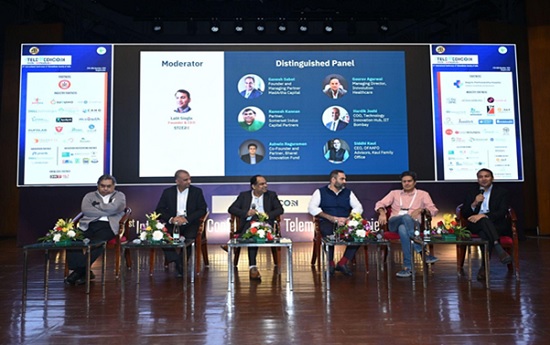
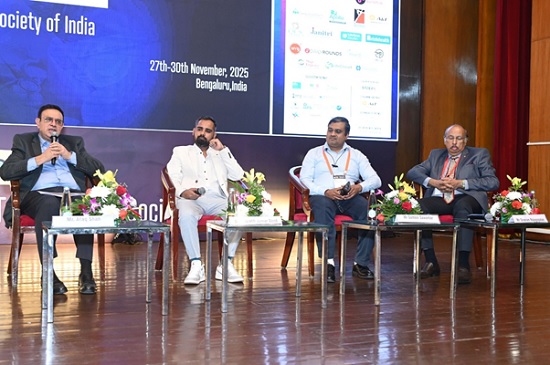
A panel discussion was conducted following the final startup pitches, featuring distinguished industry leaders: Hardik Joshi, Ganesh Sabat, Siddhi Kaul, Ramesh Kannan, Lalit Singla, and Ashwin Raguraman.
The discussion provided a comprehensive overview of India’s evolving digital health ecosystem, examining key challenges faced by startups, including product-market fit, scalability, and adoption barriers. Panelists shared insights on regulatory frameworks and policy enablers, investor expectations, market readiness, and pathways to sustainable growth within the health-tech sector.
Emphasis was also placed on the role of founders and leadership teams in driving innovation, fostering trust within the healthcare system, and accelerating the adoption of digital health solutions. The panel concluded with reflections on collaboration between startups, healthcare institutions, investors, and policymakers as a critical driver of healthcare transformation in India.
Quiz
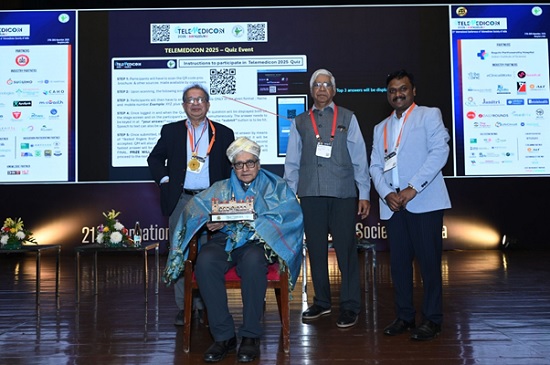
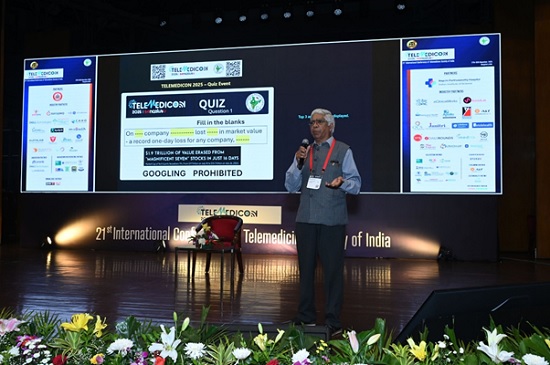
The Digital Health Quiz was conducted by Prof. K. Ganapathy as the Quiz Master. The quiz witnessed enthusiastic participation from delegates, and prizes sponsored by Apollo Hospitals were awarded to participants who answered correctly.
Session 11 Timing:
2:15 PM – 2:30 PM
Topic:
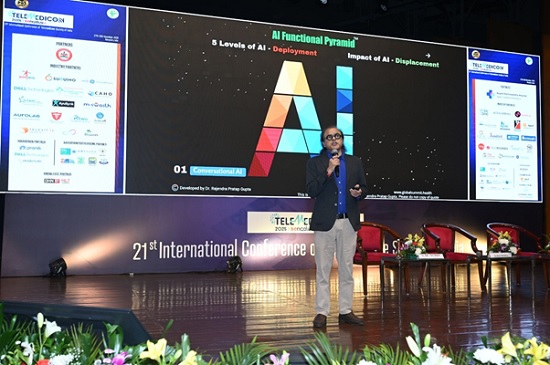
Digital Health for Sustainability: The Future of AI-Driven Healthcare
Speaker:
Dr. Rajendra Pratap Gupta Dr Uma Nambiar
The session offered a concise overview of the evolution of artificial intelligence in healthcare, tracing its journey from early experimental use cases to mature, scalable, and real-world implementations across clinical and operational environments.
Speakers outlined progressive stages of AI adoption, beginning with pilot projects and exploratory deployments, and advancing toward fully integrated AI solutions embedded within hospital workflows, digital health platforms, and care delivery systems.
Key areas of impact highlighted during the session included AI-driven diagnostics, workflow optimization, precision and personalized care models, and data-enabled clinical decision-making. These applications position AI as a foundational driver of sustainable, efficient, and resilient healthcare ecosystems.
The session concluded with an emphasis on the need for forward-looking strategies that align policy, technology, and clinical innovation. Such alignment was identified as critical to accelerating India’s digital health readiness while ensuring the ethical, equitable, and scalable deployment of AI across the healthcare continuum.
Session 11 Timing:
02:30 PM – 03:00 PM
Topic:
Space Medicine
Session Chair : Dr. Agarwal
Session Co-Chair / Moderator : Dr. Murthy Remilla
Panel Members : D. K. Singh, Gp Capt P. Biswal, Mr. Jayakumar Venkatesan, Dr. Sergeeva Lyudmila Yurevna, Gp Capt Angad Pratap, Dr. B. Sinha
The session opened with a comprehensive overview of India’s human spaceflight programme, reflecting on the scientific, operational, and strategic challenges shaping the nation’s ambitions in human space exploration. Key themes included mission architecture, crew safety systems, and long-duration mission planning critical to future crewed missions.
Significant emphasis was placed on astronaut medical evaluation, with detailed discussions on physiological, neurological, and psychological assessment protocols. Speakers highlighted the importance of continuous health monitoring, human performance optimization, and medical readiness in extreme space environments.
The panel further examined the training ecosystem for crewed missions, offering insights into microgravity adaptation, survival preparedness modules, simulation-driven training, and the rigorous discipline required to ensure mission readiness as India progresses toward the Gaganyaan mission.
A technical analysis of mission planning methodologies was presented, focusing on risk assessment frameworks, system reliability, emergency preparedness, and precision-based decision-making. The discussion underscored the growing interdependence between mission control, aerospace engineering teams, operational units, and medical specialists.
Advancements in India’s space systems, including launch technologies, navigation systems, mission-support infrastructure, and emerging space-engineering capabilities, were also discussed. These developments reflect India’s increasing technological self-reliance and innovation momentum in the space sector.
The session concluded with a broader exploration of national and global trends in human space exploration, emphasizing interdisciplinary collaboration, sustainable space technologies, and the long-term strategic vision required to strengthen India’s leadership in human space science and space-enabled technological ecosystems.
Session 12
Timing: 03:05 PM – 03:45 PM
Topic:
National Health Authority (NHA):
• Interoperability & Integration – Building Connected Health Systems
• Integrating Telemedicine Platforms with ABDM
• Implementation of ABDM in Karnataka
• The Four Pillars, the Pyramid & the Telemedicine Cube
Session Chair : Dr. K. Selvakumar
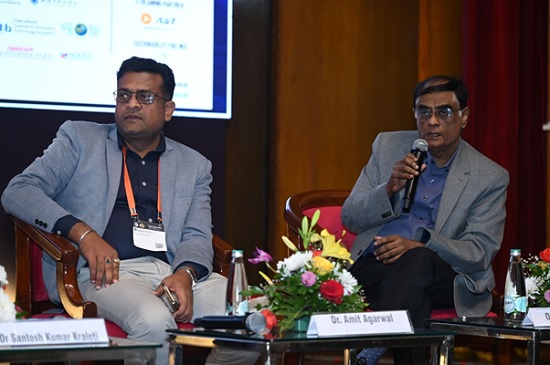
Session Co-Chair / Moderator : Dr. Amit Agarwal
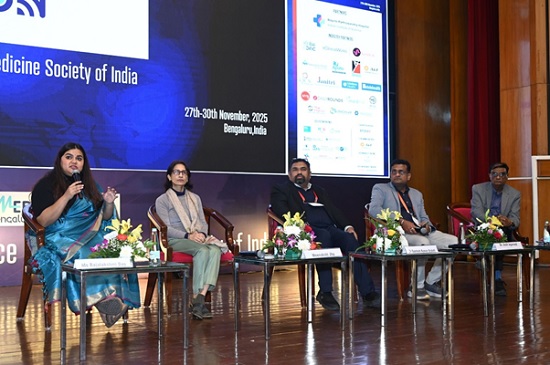
Panel Members : Ms. Rajlakshmi Das, Dr. Sushil (ABDM Karnataka), Ms. Meenakshi Jha, Dr. Santosh Kumar Kraleti
The session commenced with an in-depth exploration of interoperability and system integration within India’s digital health architecture. Discussions emphasized the importance of a unified, standards-based ecosystem to enable seamless data exchange, effective platform interoperability, and improved coordination across healthcare services.
A key focus was the integration of telemedicine platforms with the Ayushman Bharat Digital Mission (ABDM). Panelists examined the role of digital APIs, health registries, and secure data-sharing protocols, highlighting how ABDM alignment enhances accessibility, enables portability of health records, and strengthens patient–provider interactions through structured digital frameworks.
A conceptual framework titled “The Four Pillars, the Pyramid, and the Telemedicine Cube” was presented to illustrate the multi-layered nature of telemedicine implementation. The model outlined the foundational digital infrastructure, scalable service delivery pathways, and multi-dimensional expansion of telehealth services, offering a holistic view of system-wide integration.
The session also reviewed key National Health Authority (NHA) initiatives shaping India’s digital health ecosystem. Governance mechanisms, digital standards, interoperability frameworks, and state-level implementation strategies were discussed as critical enablers for accelerating telemedicine adoption across the country.
A focused discussion on the implementation of ABDM in Karnataka provided practical insights into on-ground experiences, operational challenges, and strategies being adopted to align regional telemedicine services with the national digital health infrastructure.
The session concluded with a shared perspective on how NHA-led policy frameworks, technological innovation, and structured interoperability are collectively contributing to the development of a future-ready and resilient digital health ecosystem for India.
Session 13 Timing:
03:55 PM – 04:40 PM
Topic:
Telemedicine Implementation in Rural India — Challenges, Learning, and Impact
• Tele-health to overcome challenges in resource-constrained environments
• Tele-health implementation
Session Co-Chair / Moderator : Mr. Sameer Sawarkar
Panel Members : Ms. Dhanalakshmi Ramachandra, Mr. Saurabh Kumar Gond, Mr. Afaq Shah, Mr. Sivaram Rajagopalan
The session focused on the practical realities of implementing telemedicine initiatives in rural and underserved regions of India. Discussions emphasized the need for digital health solutions to be context-sensitive, adapting to local infrastructure, community needs, and resource constraints in order to achieve meaningful and sustainable impact.
Speakers highlighted the potential of telemedicine to deliver inclusive, scalable, and sustainable healthcare services, showcasing digital platforms designed to support continuity of care, operational reliability, and long-term adoption beyond pilot phases. Strong emphasis was placed on building systems that are resilient and enduring, rather than short-lived deployments.
A community-driven approach was central to the discussion, underscoring the importance of cultural acceptance, trust-building, and grassroots awareness in successful telehealth implementation. Panelists stressed that impact should be evaluated not only through utilization metrics but also through clinical outcomes, patient engagement, and long-term community ownership.
Capacity building emerged as a critical theme, particularly the empowerment of rural communities, frontline health workers, and local institutions to independently operate, manage, and sustain telemedicine programs over time.
The panel collectively reinforced that effective rural telemedicine requires:
• equitable access to healthcare services,
• financially and operationally viable models,
• strong quality assurance and outcome measurement frameworks, and
• robust collaboration among technology providers, government agencies, non-governmental organizations, philanthropic institutions, and community networks.
The session concluded with a shared recognition that telemedicine, when grounded in cultural alignment and long-term sustainability, can play a transformative role in narrowing India’s rural–urban healthcare divide and in building resilient, inclusive health ecosystems.
Session 14 Timing:
04:40 PM – 05:40 PM
Topic:
Holistic Connected Care Telehealth Networks
Panel Theme: SUQUINO
Session Chair : Mr. Ravi Amble
Session Co-Chair / Moderator : Dr. L. S. Satyamurthy
Panel Members: Mr. Ravi Amble, Dr. Vishal, Dr. Khyati, Dr. Srinivas
The session explored the vision and architecture of SUQUINO, a holistic telehealth platform designed to integrate clinical workflows, remote patient monitoring, and device-driven insights into a unified connected-care ecosystem. Discussions emphasized how such integrated networks can strengthen continuity of care and enable seamless patient journeys across multiple points of service.
Panelists highlighted the med-tech ecosystem surrounding SUQUINO, focusing on the role of interoperable medical devices, intuitive user interfaces, and real-time physiological data exchange. These components were identified as critical enablers for enhanced clinical decision-making and the delivery of reliable, high-quality telehealth services.
The session also discussed practical institutional applications, drawing on implementation experiences from leading healthcare centers. Innovative therapeutic integrations were presented, including the incorporation of saffron-based interventions within SUQUINO’s device ecosystem, illustrating a novel convergence of traditional healing approaches with modern digital health technologies.
Overall, the discussion reinforced SUQUINO’s objective of enabling technology-supported, patient-centric care networks that reduce fragmentation and improve access. By unifying clinical intelligence, remote monitoring, and scalable digital workflows, SUQUINO was positioned as a coherent and future-ready model for connected care delivery.
Session 15 Timing:
05:40 PM – 06:30 PM
Topic: Quality Improvement in Telehealth
• Revival and repurposing of telemedicine in the Indian Armed Forces
• Embracing the future safely
• From prototypes to pan-India impact: Startup-driven quality digital health solutions
Session Chair : Brig (Dr.) Rakesh Dutta
Session Co-Chair / Moderator : Mr. Arvind Tyagi
Panel Members : Dr. Peter Lachman, Mr. Navratan Katariya
The session opened with a comprehensive overview of the revitalization and strategic repurposing of telemedicine within the Indian Armed Forces. Discussions highlighted the evolution of telemedicine as a critical enabler of medical support for personnel deployed in remote, high-altitude, conflict, and border-region environments. Key themes included emergency teleconsultation, specialist-to-field coordination, tele-triage, and the enhancement of operational medical readiness through secure digital connectivity.
The session also showcased innovation-led startup solutions as significant contributors to nationwide quality improvement in digital health. Panelists discussed the journey from early-stage prototypes to scalable, pan-India deployments, emphasizing deep-tech advancements in diagnostics, the importance of robust quality assurance frameworks, and the sustained operational rigor required to maintain reliability while scaling rapidly.
Strong emphasis was placed on the safe, responsible, and future-ready adoption of telehealth technologies. Discussions addressed the need to balance technological innovation with clinical safety, system resilience, regulatory compliance, and the preservation of patient trust.
The day concluded with closing reflections summarizing the key themes that emerged throughout the proceedings—innovation-driven transformation, the power of cross-sector collaboration, and the central role of digital health in building resilient and modern healthcare systems. This marked the formal close of the Telemedicon 2025 sessions for 29 November.
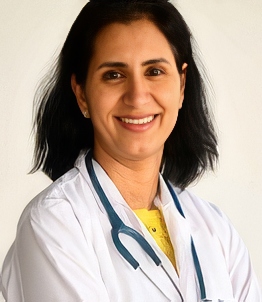
Dr. Arti Pawaria (MD, DM, PDCC)
Chief Pediatric Hepatologist & Transplant Physician,
Sir H. N. Reliance Foundation Hospital & Research Centre,
Mumbai
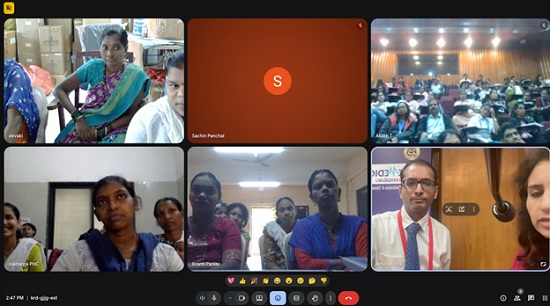
The Telemedicine Society of India (TSI), in collaboration with the IISc Medical School Foundation and other organizations, organized the Annual conference of TSI, successfully delivered a transformative two-day Workshop on Child Health, reinforcing a shared national vision of strengthening maternal and child health through education, innovation, and digital outreach.
The workshop was conducted under the strategic academic leadership of Dr Uma Nambiar and the IISc Medical School Foundation team, with strong institutional guidance and support from TSI leadership, led by Dr Umashankar S, Honorary Secretary, TSI. Their leadership underscored the importance of moving beyond conferences toward capacity-building models that meaningfully impact frontline care.
Within this enabling framework, the program was conceptualized and operationalized as a focused child health initiative by Dr Arti Pawaria, Co-Director of the workshop. The intent was clear—to translate high-level pediatric nutrition and lactation science into practical, implementable skills for healthcare providers working at primary, secondary, and district levels. The academic design and execution were jointly anchored by Dr Elizabeth K E, Director of the program, whose expertise ensured a structured, evidence-based, and clinically relevant curriculum.
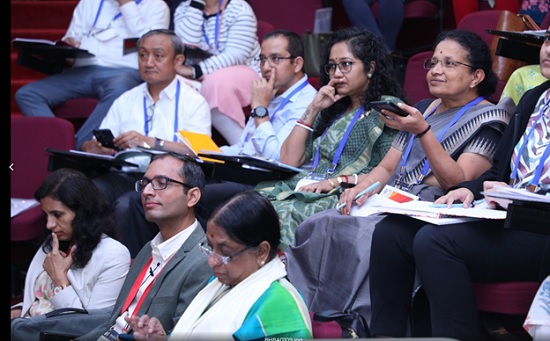
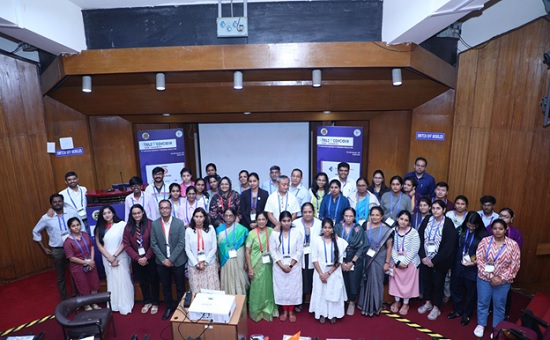
The workshop brought together nearly 100 delegates from across India, including pediatricians, family physicians, nurses, nutritionists, and allied health professionals. Over two intensive days, participants engaged in sessions on growth monitoring, structured nutritional assessment, childhood obesity and metabolic risk, micronutrient deficiencies, lactation counselling, human milk banking, breastfeeding challenges beyond infancy, and maternal nutrition—each delivered with a strong emphasis on patient-centric care.
A key highlight was the live telemedicine integration with two Primary Health Centres in Ratnagiri and Sindhudurg, transforming learning into real-time clinical engagement. This was made possible through the technology partnership with Neurosynaptic Communications, under the leadership of Mr Rajeev Kumar and his team, exemplifying how telemedicine can bridge academic excellence with grassroots healthcare delivery.
More than an academic event, the workshop reflected TSI’s larger mission of hand-holding grassroots healthcare providers, nurturing local leadership, and ensuring equitable access to specialist knowledge. The enthusiastic response from participants strongly reinforces the need for scaling such initiatives nationally.
Encouraged by the success of this program, TSI and IISc reaffirm their commitment to advancing similar collaborative models-where leadership, technology, and clinical expertise converge to create lasting impact in child health across India.
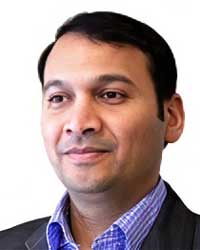
Lalit Singla
Founder & CEO, SteerX | Managing Partner, SteerX Ventures
As part of Telemedicon 2025, SteerX organized a high-impact Startup Pitch Event, bringing together some of India’s most promising healthcare startups with leading operators, investors, and ecosystem enablers, all under one roof.
The event was designed to go beyond conventional pitching and focus on what truly matters for healthcare startups: scalability, commercialization, regulatory readiness, and long-term value creation.
A Curated Platform for Healthcare Innovation
Following a rigorous pre-event screening process, 15 early-stage healthcare startups were shortlisted to participate. These startups represented diverse segments of digital health, medtech, diagnostics, AI-enabled healthcare, hospital solutions, and care delivery models.
Across the first two days of Telemedicon, founders pitched their solutions to curated panels comprising clinicians, healthcare operators, and investors, receiving investment interest as well as practical, real-world feedback grounded in operating experience.
Where Capital Meets Care
The highlight of the event was a main-stage investor panel chaired by Mr. Lalit Singla, Founder & CEO of SteerX, featuring:
• Senior partners from PE and VC funds focused on healthcare
• CEOs and former CEOs of leading Indian MedTech and healthcare companies
• COO of a leading academia-based innovation investor and a family office actively backing healthcare ventures
This rare gathering of investors who have built and scaled healthcare businesses themselves shared candid insights on:
• Moving from pilots to commercialization
• Scaling from ₹10 Cr to ₹100+ Cr and beyond
• Designing business models that work with hospitals and pharma
• Preparing for global expansion
• What serious capital looks for before investing
Top three startups chosen by a seasoned jury of investors were awarded “SteerX Startup of The Year” awards during Telemedicon’s valedictory ceremony.
Meaningful Engagement Beyond the Stage
Another key highlight of the event was the SteerX Startup Showcase Arena, a dedicated exhibition space where participating startups set up live demonstrations of their products and solutions.
The arena enabled continuous engagement between startups and:
• Clinicians and healthcare practitioners
• Hospital leaders and administrators
• Investors and industry stakeholders
This format allowed delegates to experience solutions firsthand, ask deeper questions, and explore real-world applicability beyond stage presentations, making the showcase both interactive and outcome-oriented.
Strengthening India’s Healthcare Innovation Ecosystem
The SteerX Startup Pitch Event reinforced Telemedicon’s commitment to advancing digital health and healthcare innovation in India. By connecting startups with experienced operators and long-term capital, the initiative aimed to support founders building trusted, scalable, and globally relevant healthcare companies.
SteerX is grateful to the Telemedicine Society of India and the Telemedicon organizing committee for the opportunity to collaborate and contribute to this vibrant ecosystem.
Dr. Bhaskar Rajakumar
Program Director
ARTPARK.
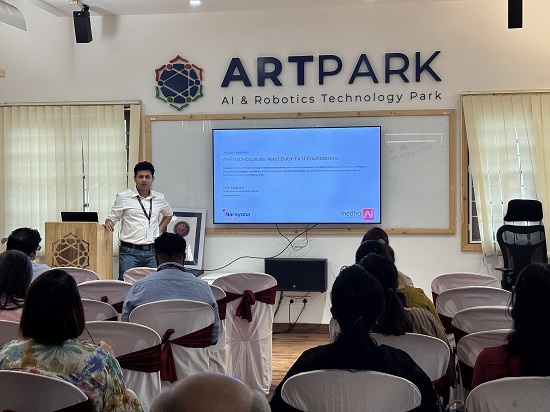
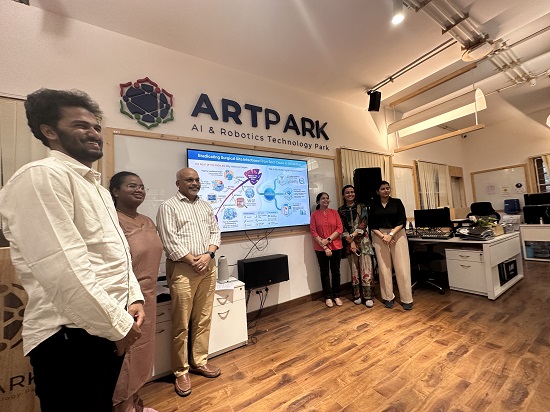
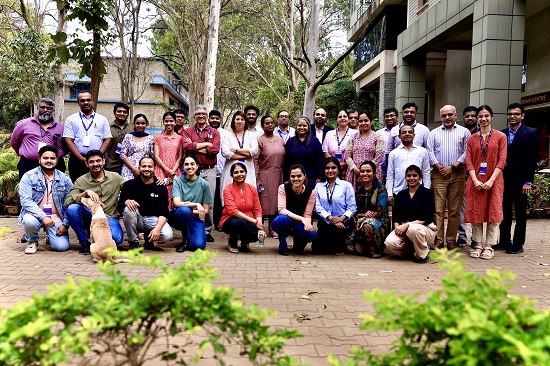
On January 24–25, 2026, an intensive two-day AI in Healthcare workshop was conducted at ART PARK, Indian Institute of Science (IISc), Bengaluru. The workshop was organised by the IISc Medical School Foundation in collaboration with DailyRounds / Marrow, and Telemedicine Society of India – Karnataka Chapter with the objective of strengthening clinicians’ understanding of artificial intelligence and its responsible application in healthcare.
The workshop brought together a diverse cohort of participants, including senior specialists with decades of clinical experience, early-career doctors, hospital administrators, and healthcare leaders. This mix enabled rich peer-to-peer learning and grounded discussions that connected technological innovation with real-world clinical needs.
The curriculum covered foundational AI concepts, hands-on prompting and tool usage, and practical considerations for clinical implementation. Participants were exposed to emerging healthcare AI solutions through interactions with leading Indian startups such as Qure.ai, BrainSightAI, AI Health Highway.
Sessions were further strengthened by expert faculty from IISc, GE Healthcare, Narayana Health, Accenture, Atria University, IIM Bangalore, TSI and ARTPARK, offering multidisciplinary perspectives across clinical, academic, industry, and policy domains.
This was the third edition of the AI in Healthcare workshop and continued to serve as a platform for mutual learning, thoughtful dialogue, and capacity building. The program reaffirmed a collective commitment to advancing responsible, ethical, and impactful adoption of AI in healthcare.
WASHINGTON, DC, JANUARY 14, 2026 – The American Telemedicine Association (ATA) today published new Policy Principles on Artificial Intelligence (AI), putting forward a clear, balanced framework for the safe, ethical, and scalable deployment of AI in healthcare. The ATA is the leading industry organization advancing innovation and transformation in virtual care, digital health, hybrid care, artificial intelligence in health, and next generation connected care.
“The use of AI in healthcare is rapidly transforming care delivery, creating opportunities to enhance patient trust, clinical quality, and the responsible advancement of care. The ATA embraces the promise of AI as a powerful tool to strengthen clinical excellence, advance health access, and support a more connected, resilient care ecosystem,” said Kyle Zebley, CEO of the ATA and executive director of ATA Action. “AI is already helping to expand the capacity of providers, improve patient access, and enable more personalized, efficient, and proactive models of care. Our updated policy principles support a clear, balanced framework for the safe, ethical, and scalable deployment of AI in healthcare.
“The ATA and ATA Action are eager to continue to partner with the Trump Administration, our bipartisan champions in Congress, and state policymakers to ensure AI in healthcare policy strikes the right balance, one that promotes innovation, provides regulatory clarity, and keeps patients firmly at the center of healthcare decision-making. Thoughtful, technology-forward policy will be essential to unlocking AI’s full potential while preserving trust, safety, and clinical integrity across the healthcare system,” Zebley added.
Since originally published in October 2023, the ATA’s member-led AI Work Group has added critical guidance on self-regulatory practices for real-world validation, ongoing performance monitoring, continuous improvement, and robust data security in line with industry best practices.
Read the updated Policy Principles on Artificial Intelligence here.
“The ATA’s AI Policy Principles come from listening to what is actually happening in healthcare, not from theory or talking points. Developed by a member-driven AI Work Group, they focus on how AI shows up in real care settings, with practical expectations for accountability, validation, and performance, said Aaron T. Maguregui, chair of the ATA AI Work Group, and Partner and Digital Health Attorney, Foley & Lardner LLP. “This is a tech-positive, workable framework built by practitioners actively deploying and governing AI in healthcare, and the ATA is excited to help shape a future where AI strengthens care, expands access, and earns lasting trust.”
Key components of the ATA’s Policy Principles on AI include:
• Accountability & Engagement
• Transparency and Explainability
• Safeguards to Mitigate Bias
• Clear Regulatory Guardrails
• Validation and Performance Monitoring
• Privacy and Data Security
• Economic and Workforce Evolution
“These principles reflect a commitment to thoughtful governance, responsible policymaking, and a tech-positive approach that empowers providers, protects patients, and enables the full potential of AI to support a digital-first future of care,” Zebley added. “Our thanks to Aaron Maguregui and the ATA AI Work Group for this important work, to support the promise of AI as a powerful tool to strengthen clinical excellence, advance health access, and support a more connected, resilient care ecosystem.”
The ATA has published a series of principles to promote a healthcare system where people have access to safe, effective and appropriate care, and ensure federal and state health policy is technology, modality, and site neutral, including:
• ATA Policy Principles
• ATA Health Data Privacy Principles
• ATA Policy Principles on Artificial Intelligence
• ATA Virtual Foodcare Principles and ATA Policy Priorities for Virtual Foodcare
• ATA Principles of Practice: Telehealth as an Imperative Modality of Careseeva
About the ATA
The American Telemedicine Association (ATA) is the catalyst for advancing innovation and the transformation of healthcare through virtual care, digital health, hybrid delivery, and AI-enabled care models. Representing the most diverse ecosystem in healthcare – including leading health systems, academic medical centers, payers, technology innovators, life sciences companies, and clinician leaders – the ATA advances clinical standards, policy leadership, education, and evidence frameworks that accelerate high-quality, technology-enabled care. Through its policy and legislative advocacy arm, ATA Action, the organization drives federal and state policy change to support sustainable, modernized, digitally enabled healthcare for all.
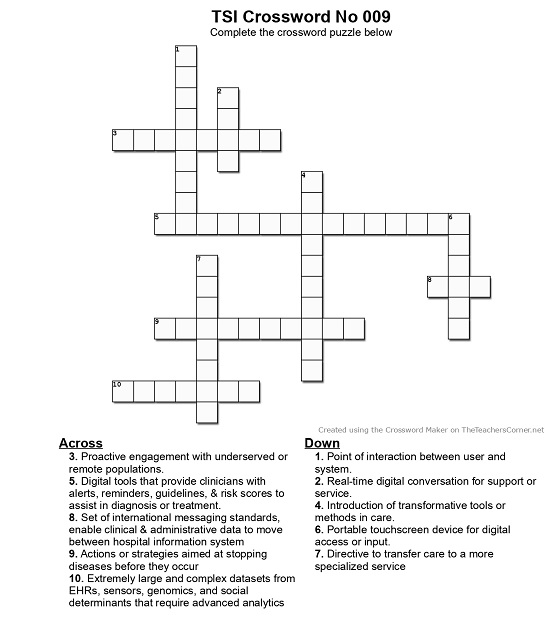
Click here to Print the Crossword
Click here to view the Crossword Rules and Regulations
Compiled by Dr.Umashankar
Answers in February 2026 Newsletter!
ChatGPT Health Guidance Leads to Serious Harm, AIIMS Doctors Warn
AIIMS doctors caution that using ChatGPT for medical advice can be dangerous, after a patient suffered internal bleeding from painkillers…………… Read More
Is AI Ready to Screen Cognitive Decline Without Clinicians?
The AI showed 91% sensitivity in testing, dropping to 62% in real-world use, while maintaining high specificity at 98%………………. Read More
To know more about the Telemedicine Foundation Course click on the link below:
https://tsitn.org/tpg-course/
TSI invites all the TSI Chapters and Members to submit information on their upcoming Webinar or Events (50 words), News related to Telemedicine (200 words) or short articles (500 words) for the monthly e-newsletter.Guidelines for submission to TSI Newsletter-
Submission may be sent to – tsigrouptn@gmail.com
Editors reserve the rights for accepting and publishing any submitted material.
Editor in Chief – Dr. Sunil Shroff
Editors – Dr. Senthil Tamilarasan & Dr. Sheila John
Technical Partner- https://www.medindia.net