Indian Institute of Science (IISc), Bengaluru | 27–30 November 2025
Theme: Digital Health for a Sustainable Future
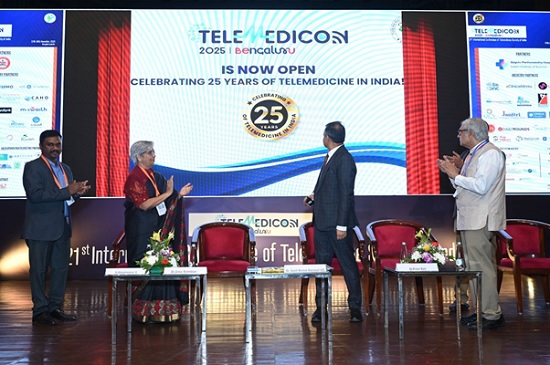
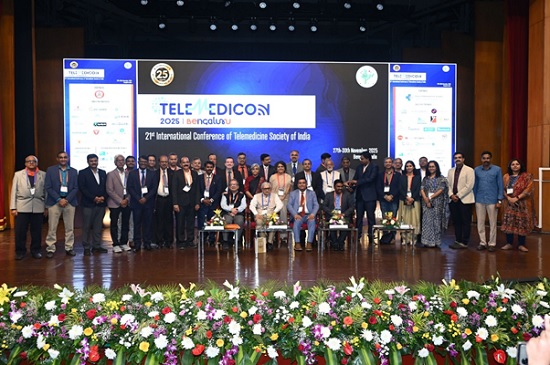
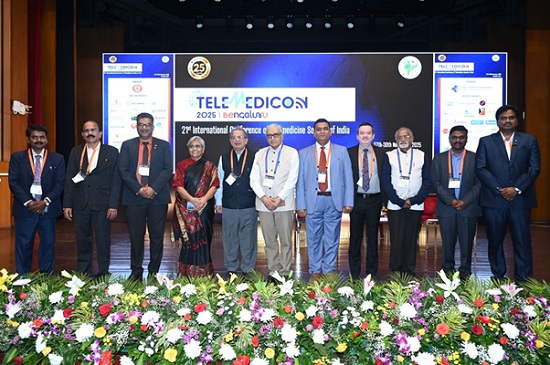
Telemedicon 2025, the 21st International Conference of the Telemedicine Society of India (TSI), was held from 27–30 November 2025 at the prestigious J N Tata Auditorium, Indian Institute of Science (IISc), Bengaluru. Organised by the TSI Karnataka Chapter, the conference marked a historic dual milestone — celebrating 25 years of telemedicine in India while setting new directions for the future of digital health.
Anchored in the theme “Digital Health for a Sustainable Future,” Telemedicon 2025 brought together clinicians, researchers, policymakers, technologists, startups, and global experts to explore how digital innovations can build resilient, equitable, and climate-responsive healthcare systems.
A Platform for Knowledge, Innovation and Collaboration
The four-day conference featured a rich and diverse academic and innovation agenda, including:
Pre-conference workshops on AI in Healthcare.
Scientific paper and poster presentations showcasing evidence-based research and real-world implementations
Plenary lectures and panel discussions on telemedicine, AI, digital public health, governance, ethics, and policy
A dynamic Digital Health & Telemedicine Expo highlighting cutting-edge technologies and solutions
Hackathon and Startup Pitch Arena fostering co-creation and entrepreneurship
Digital Health Quiz and industry visits, engaging participants beyond traditional formats
Workshops on HL 7 and FHIR, Lactation and child health
The scientific program covered a wide range of tracks, from AI and next-generation technologies to digital health equity, green health systems, space medicine, workforce training, and global digital health strategy.
Pre Conference Workshop
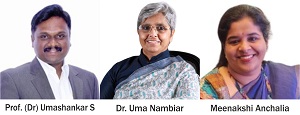
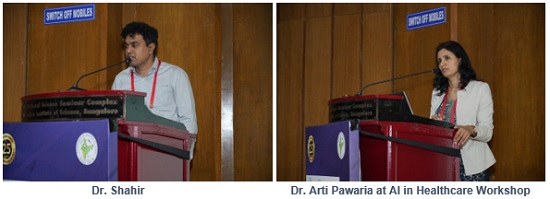
The Telemedicon 2025 started with the Preconference Workshop on AI in Healthcare conducted by the AI for Digital Readiness and Advancement (ADiRA) Powered by and ARTPARK, and TSI on 27th Dec 2025. The sessions were conducted by
The AI for Digital Readiness and Advancement (ADiRA) – Synopsis (Speaker Dr Ravinandan B B)
The session explored how healthcare systems can strengthen their foundational preparedness to safely and effectively adopt artificial intelligence at scale. The discussion highlighted the essential components of digital readiness, including interoperable data systems, workforce skilling, governance structures, and alignment with national digital health standards. Speakers emphasized that AI maturity evolves in stages, from exploratory pilots to fully integrated clinical and operational tools, requiring high quality datasets, robust validation processes, and human in the loop oversight. The session showcased examples of AI enabled diagnostics, operational optimization, and remote care expansion, while underscoring the importance of ethical guardrails, transparency, and continuous monitoring to prevent bias and ensure safety. ADiRA was positioned as a strategic framework to help institutions move from fragmented digital initiatives toward cohesive, resilient, and scalable AI enabled healthcare ecosystems.
AI in Healthcare from Idea to FDA cleared device, what healthcare professionals need to know – Synopsis (Speaker Dr. Shahir)
The session on AI in Healthcare from Idea to FDA Cleared Device provided a structured overview of how an artificial intelligence concept progresses into a clinically validated and regulator approved medical product. Speakers explained the complete development pathway, beginning with problem identification, data selection, and model design, followed by clinical relevance testing, bias reduction strategies, and real world evidence generation. The discussion highlighted the essential requirements for safety, accuracy, transparency, and reproducibility that healthcare professionals must understand when engaging with AI tools. Participants gained insight into documentation standards, performance benchmarks, risk categorisation, and the regulatory submission process that leads to clearance by the Food and Drug Administration. The session reinforced that clinical users play a central role in shaping reliable AI solutions through domain expertise, continuous feedback, ethical vigilance, and responsible deployment in patient care.
AI prompting for Health research – Synopsis (Speaker Dr. Arti Pawaria)
The session on AI Prompting for Health Research explored how structured prompting techniques can enhance the quality, speed, and depth of scientific inquiry in the health domain. Speakers discussed the fundamentals of crafting precise prompts that guide artificial intelligence systems to generate more reliable literature scans, research summaries, study designs, data interpretations, and grant concepts. The session highlighted the importance of domain context, incremental refinement, and verification strategies to ensure that AI assisted outputs remain accurate and aligned with scientific standards. Participants were introduced to practical examples where effective prompting improved research productivity, supported observational and clinical study planning, and accelerated systematic review preparation. The session emphasized that while AI can significantly augment research capacity, thoughtful prompting and rigorous human oversight remain essential to ensure validity, reproducibility, and ethical integrity in health research.
Day 1 | 28 November 2025
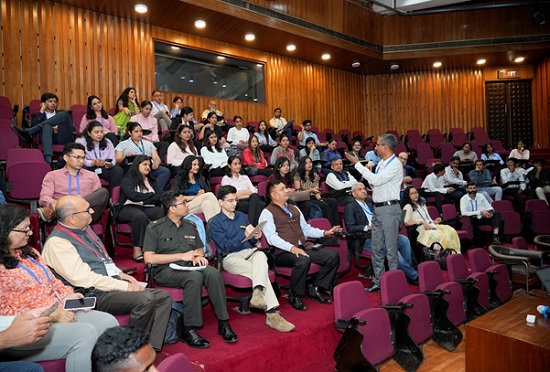
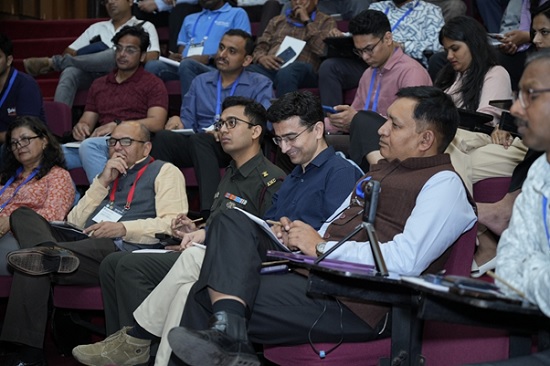
Scientific Session were scheduled in 4 parallel sessions ( Main hall, Hall A , B and C)
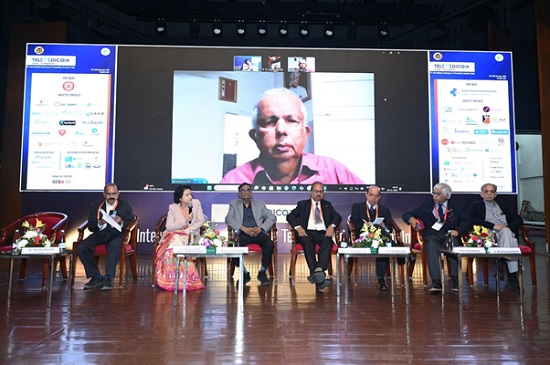
Scientific Session 1
Time: 09:30 AM – 10:30 AM
Topic: Telemedicine in India: 25 Years of Innovation — The Idea, Efforts, Impact, Lessons, and Challenges
Session Chair: Dr. Meenu Singh
Session Co-Chair / Moderator: Dr. Murthy Remilla
Panel Members: Dr. G. Madhavan Nair, Dr. Meenu Singh, Prof. K. Ganapathy, Mr. L. S. Satyamurthy, Prof. Biswa N. Mohanty, Prof. K. Selvakumar, Mr. A. Bhaskaranarayana
Session Highlights and Key Takeaways
The inaugural scientific session of TELEMEDICON 2025 provided a reflective and forward-looking overview of India’s 25-year journey in telemedicine, tracing its evolution from conceptual innovation to a nationally embedded healthcare delivery mechanism.
The session opened with reflections on India’s rapid digital transformation, emphasizing how deliberations and knowledge exchange at successive Telemedicon conferences have played a pivotal role in shaping national telehealth priorities and policy directions.
Panellists revisited the early years of telemedicine in India, marked by technological curiosity, institutional experimentation, and visionary leadership. The discussion highlighted the gradual expansion of telemedicine applications, the increasing integration of artificial intelligence, and the growing involvement of young professionals who are now driving innovation in digital health.
A significant focus was placed on the multi-institutional collaborations that laid the foundation for India’s telemedicine infrastructure. These partnerships enabled early connectivity, remote consultations, and technology-enabled care delivery across challenging geographies.
The COVID-19 pandemic was acknowledged as a watershed moment that dramatically accelerated the acceptance, adoption, and scaling of telemedicine services across the country, transforming telehealth from an alternative model into a mainstream component of healthcare delivery.
National initiatives such as e-Sanjeevani, drone-enabled medical logistics, and satellite-supported connectivity were discussed as examples of how digital health solutions are extending care to underserved and remote populations, with panelists noting the relatively low incidence of medico-legal challenges to date.
The foundational role of ISRO in enabling telemedicine systems was strongly emphasized, along with discussions on the need for cost-effective service models, robotics integration, and continuous strengthening of digital health infrastructure to support future growth.
Improvements in rural–urban connectivity, long-standing ISRO–Telemedicon collaborations, and successful remote healthcare and supply chain operations in geographically isolated regions were presented as tangible evidence of telemedicine’s sustained national impact.
The session concluded with a forward-looking vision, calling for structured telemedicine education and training, greater institutional investment, AI-supported diagnostics, and insurance-linked sustainability models to ensure that digital healthcare in India remains equitable, scalable, and resilient.
Scientific Session 2
Time: 10:35 AM – 11:35 AM
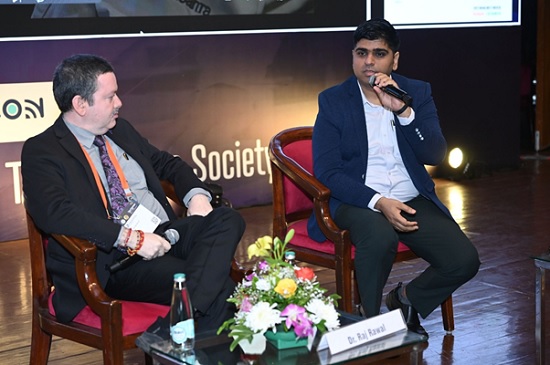
Tele-ICU
Session Chair: Dr. Raj Raval
Panel Members:
Mr. R. G. Ajay Prakash, Mr. Atul
Session Highlights and Key Takeaways
The second scientific session of Day 1 focused on Tele-ICU as a critical pillar of India’s evolving digital health ecosystem, particularly in the context of increasing critical-care demand and uneven distribution of specialist resources.
The discussion began by assessing Tele-ICU within India’s expanding digital critical-care landscape, emphasizing how centralized command centres are redefining intensive care delivery. Panelists highlighted the relevance of Tele-ICU models in high-burden and resource-constrained settings, where access to intensivists and advanced monitoring remains limited.
Early implementation experiences were shared, outlining challenges such as technical instability, network reliability issues, and operational complexities in scaling remote ICU services. These early hurdles were presented as valuable learning points that have since contributed to the development of more robust, resilient, and standardized Tele-ICU infrastructures.
The Command Centre model was described as an integrated digital ecosystem, where consolidated clinical dashboards enable real-time access to ECG streams, radiology reports, ventilator parameters, and vital signs. This integration supports timely clinical decision-making, continuous remote supervision, and proactive intervention by specialist teams. Panelists emphasized the growing national demand for digital healthcare infrastructure across hospitals, academic institutions, and public health systems, particularly as healthcare facilities face rising patient loads, workforce constraints, and operational pressures.
Tele-ICU was presented as a scalable response to system-wide challenges, including clinician burnout, rapid expansion of medical knowledge, and projected shortages in the critical-care workforce. Real-world examples of Tele-ICU deployment demonstrated improvements in patient outcomes, faster escalation of care, and optimized utilization of critical resources.
The discussion also explored rural Tele-ICU models and the role of public–private partnerships in extending advanced critical-care monitoring and specialist support to underserved and remote regions.
The session concluded with forward-looking insights on the future of Tele-ICU in India, highlighting the need for government-aligned implementation models, standardized data and interoperability practices, strengthened cybersecurity frameworks, structured workforce training—particularly for nursing and allied health professionals—and evolving medico-legal guidelines to support documentation, accountability, and quality assurance in remote critical care.
Inaugural Session
Time: 11:35 AM – 01:30 PM
Inaugural Ceremony – TELEMEDICON 2025
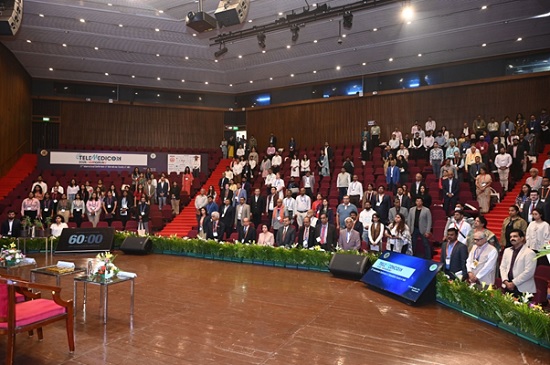
The Inaugural Ceremony of TELEMEDICON 2025 was conducted with dignity and a strong sense of purpose, setting the tone for the conference’s academic and societal vision.
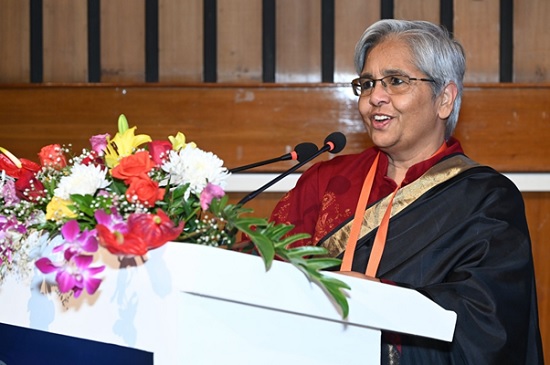
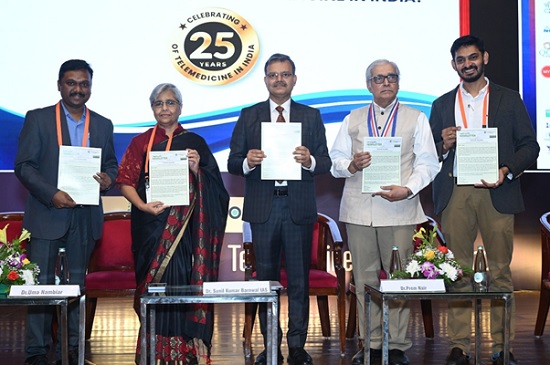
The programme commenced with a Welcome followed by the Karnataka State Anthem, symbolizing regional pride and cultural grounding. This was followed by the Welcome Address delivered by the Organizing Chair, Dr. Uma Nambiar, who outlined the vision, objectives, and thematic focus of TELEMEDICON 2025.
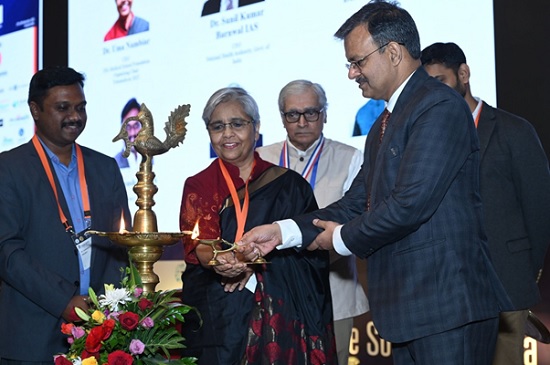
The ceremonial Lamp Lighting by the dignitaries marked the formal inauguration of the conference, signifying knowledge, enlightenment, and collective commitment to advancing telemedicine and digital health.
The Chief Guest Address was delivered by Dr. Sunil Kumar Barnwal, IAS, who highlighted the critical role of digital health and telemedicine in strengthening healthcare systems, improving access, and supporting public health governance in India.
This was followed by the Presentation of the Annual Report by Dr. Umashankar S, providing an overview of the Society’s activities, milestones, and achievements over the past year.
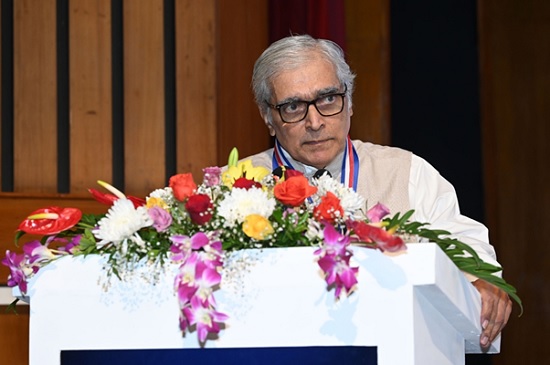
The Presidential Address by Dr. Prem Nair reflected on the strategic direction of the Telemedicine Society of India, emphasizing innovation, sustainability, and collaboration in the evolving digital health ecosystem.
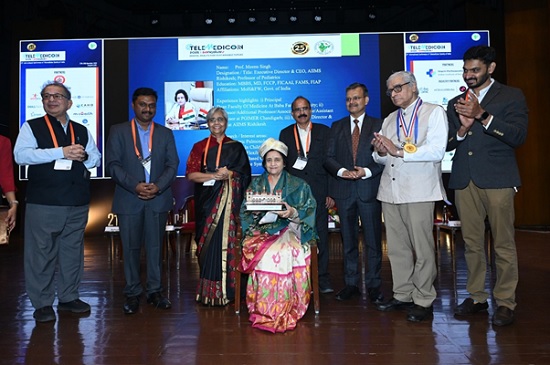
A special moment of recognition followed with the Honouring of the Past President, Dr. Meenu Singh, acknowledging her leadership, contributions, and enduring impact on the Society and the field of telemedicine.
The ceremony concluded with a heartfelt Vote of Thanks proposed by Dr. Bhaskar Rajkumar, expressing gratitude to the dignitaries, speakers, organizers, partners, and participants for their support and presence.
The National Anthem marked the formal closure of the inaugural session, after which delegates proceeded for Lunch.
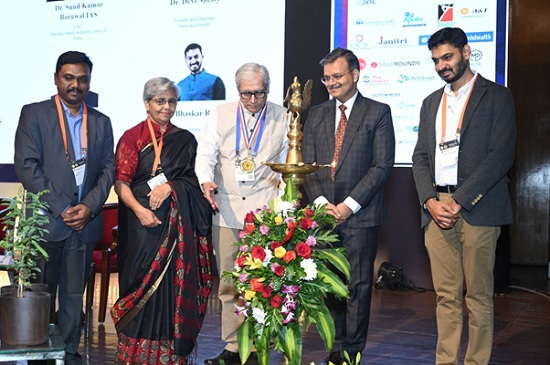
Symbolism of the Ceremonial Plant Watering
The ceremonial watering of plants by the dignitaries symbolized TELEMEDICON’s commitment to sustainability as a living practice rather than a symbolic gesture. It reflected the collective responsibility of policymakers, clinicians, technologists, and institutions to nurture innovation with care, ensuring that digital health solutions grow in harmony with environmental stewardship, ethical governance, and social responsibility.
Just as a plant requires continuous attention to thrive, the act represented the belief that sustainable healthcare systems must be patiently cultivated, protected, and strengthened over time—through collaboration, foresight, and accountability. This moment embodied TELEMEDICON’s vision of planting ideas today that will grow into resilient, patient-centric digital healthcare for future generations.
Keynote Address
Dr. Sunil Kumar Barnwal, IAS
In his keynote address, Dr. Sunil Kumar Barnwal, IAS, articulated a clear strategic vision for digital health as a foundational enabler of equitable, efficient, and resilient healthcare systems. He emphasized the critical role of technology in strengthening health governance, enhancing last-mile service delivery, and enabling data-driven decision-making across public health programmes.
Highlighting national initiatives in telemedicine, digital health platforms, and system integration, Dr. Barnwal stressed the importance of interoperability, scalability, and ethical deployment of digital tools. He concluded by underscoring the need for sustained and meaningful collaboration among government, clinicians, technologists, and innovators to ensure that digital health solutions translate into measurable population-level impact and long-term system strengthening.

Session 3 Timing: 2:00 PM – 3:00 PM
Topic: Democratization Using AI – First Strategy
Session Chair : Dr. Sanjay Sharma
Session Co-Chair / Moderator: Dr. Karthik Ramesh
Panel Members : Mr. Praveen, Mr. Srini, Dr. Gaurav Raina, Mr. Kiran
Proceedings & Key Takeaways
The session examined how AI-first strategies have the potential to democratize healthcare delivery at scale, drawing on practical models emerging from the Sri Sathya Sai healthcare ecosystem. The discussion opened by positioning artificial intelligence as a critical enabler of equity, efficiency, and system-wide scalability, particularly in complex, high-demand clinical domains.
Panelists explored the integration of AI across the entire surgical continuum—from pre-operative risk stratification and planning, to intra-operative decision support, and post-operative monitoring. Applications of predictive analytics, real-time data interpretation, and workflow automation were highlighted as key contributors to improved clinical outcomes and optimized cardiac surgical pathways.
A significant portion of the discussion focused on regulatory and governance challenges within India’s evolving AI healthcare landscape. The panel emphasized the urgent need for standardized regulatory frameworks, enforceable compliance mechanisms, and alignment with national digital health guidelines to ensure safety, transparency, accountability, and ethical deployment of AI-driven solutions.
Innovations in healthcare software and digital platforms were showcased, including systems that enable real-time surgery streaming for medical education, remote intra-operative assistance, and structured skill transfer. These tools were described as powerful enablers for expanding access to specialist expertise beyond traditional geographical and institutional boundaries.
The panel also highlighted TRANIC, a digital-first initiative aimed at democratizing access to quality healthcare through scalable AI-driven clinical decision-support systems. The model was presented as a viable approach for standardizing care delivery in remote, underserved, and low-resource settings, while maintaining quality and consistency.
In addition, the session showcased next-generation indigenous medical technologies, notably the IIT Madras–developed heart–lung machine. Its affordability, locally optimized design, and suitability for widespread deployment were underscored as strong examples of how homegrown innovation can enhance surgical capacity, reduce dependency on expensive imports, and strengthen national health systems.
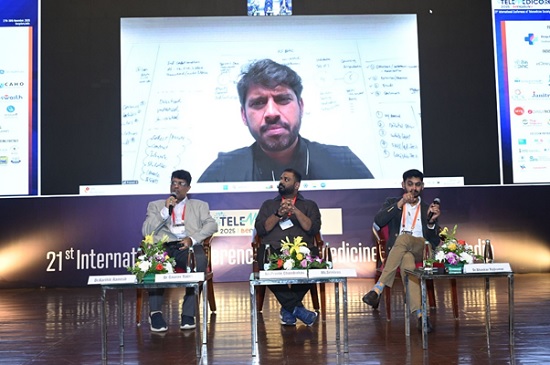
Session 4 Timing: 3:05PM to 4:05 PM
Topics:
AI in Action and Decision Making:
– AI in Gastro
– AI Transforming Transplant Medicine: From Matching to Monitoring
– AI in Nephrology
– Click when possible, brick when required – Telehealth in Orthopaedics
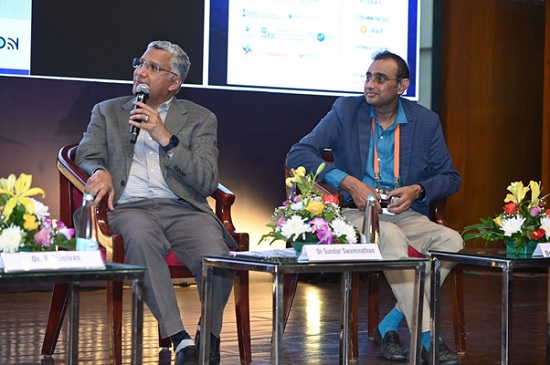
Session Chair : Dr Sundar Swaminathan
Session Co-Chair / Moderator : Dr. Arvind Ranganathan
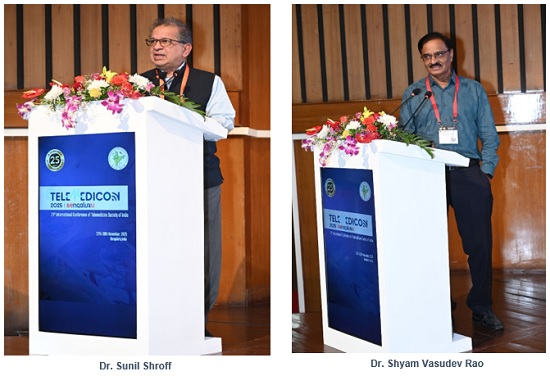
Panel Members: Dr GV Rao, Dr Shyam Vasudev Rao, Dr Sunil Shroff, Dr. P Srinivas
Proceedings
3P Model of Patient Care & Telehealth in Orthopaedics
Speaker: Dr. P. Srinivas
Dr. P. Srinivas presented the 3P Model of patient care—Preventive Care, Precision Medicine, and Personalised Therapy—as the emerging framework for future-ready orthopaedic practice. He emphasized how telehealth and digital tools are enabling a shift from episodic treatment to continuous, data-driven musculoskeletal care.
Drawing parallels from the PM National Dialysis Programme implemented under a Public–Private Partnership (PPP) model, Dr. Srinivas highlighted how centralized digital systems can significantly reduce treatment costs and patient travel burden, while improving access and standardization of care.
Within orthopaedics, he showcased recent advancements including AI-based gait analysis, digital posture assessment systems, and range-of-motion (ROM) evaluation tools, demonstrating how objective digital assessments can enhance clinical decision-making. The session concluded by underscoring the growing potential of protocol-driven remote assessments, AI-assisted musculoskeletal diagnostics, and digitally supported rehabilitation pathways, positioning telehealth as an essential and complementary component of modern orthopaedic care.
AI in Organ Donation & Transplant Decision Support
Speaker: Dr. Sunil Shroff
Dr. Sunil Shroff addressed the expanding scope of organ donation and transplantation in India, highlighting the increasing complexity of donor–recipient coordination and long-term post-transplant care. He emphasized the transformative role of artificial intelligence in streamlining transplant workflows and supporting clinical decision-making.
Key insights included the use of AI for predicting transplant outcomes, improving donor–recipient matching accuracy, and enhancing long-term graft survival monitoring. He also discussed AI-enabled early detection of renal diseases such as chronic kidney disease (CKD) and IgA nephropathy, supported by FDA-approved biomarkers, along with applications in renal pathology analytics and dialysis data interpretation.
A major highlight was the AI-PREDICT project (2008–2022), implemented across healthcare systems in the United States and the United Kingdom, which demonstrated strong predictive capabilities for transplant outcomes and contributed to improved patient stratification, follow-up planning, and overall transplant management.
AI in Nephrology – Renalyx Platform & Digital Kidney Care
Speaker: Dr. Shyam Vasudev Rao
Dr. Shyam Vasudev Rao presented the Renalyx digital nephrology platform, illustrating how AI-enabled systems are supporting the full continuum of kidney care—from prevention and early detection to remote monitoring and long-term disease management.
Key components of the platform include home-based early detection kits, mobile app–enabled data uploads for remote nephrologist review, and smart dialysis machines transmitting real-time vital parameters via Bluetooth. The system enables instant alerts to nephrologists, particularly during dialysis sessions when rapid blood pressure fluctuations or other critical events occur.
The Renalyx platform integrates remote patient monitoring, EMR interoperability, teleconsultation modules, third-party medical device connectivity, cloud-based clinical decision support, dialysis centre automation, and real-time clinician dashboards. Dr. Shyam emphasized that the platform is designed to deliver continuous, data-driven kidney care, bridging access gaps and ensuring consistent clinical oversight across multiple dialysis centres and care settings.
Large medical and technical conferences are traditionally resource-intensive, generating significant plastic waste, paper consumption, and carbon emissions.
As conference organizers, we have always focused on academic excellence, innovation, and meaningful collaboration. But while planning TELEMEDICON 2025, we paused to ask ourselves a simple question: Can we host a large medical conference without leaving a large environmental footprint?
What followed was a collective decision—to do things differently.
TELEMEDICON 2025, we not only focused for its scientific excellence, but we also consciously embedded commitment to sustainability into every stage of planning and execution. Through a series of deliberate, measurable interventions, the conference demonstrated that large-scale academic events can be both impactful and environmentally responsible. Aligned with the theme “Digital Health for a Sustainable Future,” the conference translated intent into action through thoughtful, measurable, and symbolic green practices.
Small Choices, Big Responsibility
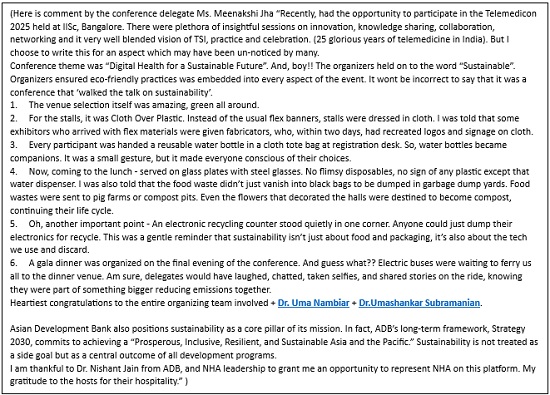
With over 700 delegates attending over four days, we knew the scale of our conference could easily translate into significant waste. Plastic badges, bottles, banners, printed books, giveaways—these are often accepted as “standard” conference items. This time, we chose to challenge that standard. One of the most significant steps taken was the near-total elimination of single-use plastics.
We replaced plastic printed lanyards with seed-paper lanyards and cotton tags without branding. Plastic pens were swapped for seed-paper pens. Polyester laptop bags were replaced with reusable cotton bags. Even our mementos were rethought—250 plastic mementos were replaced with thoughtfully crafted wooden ones from the local artisans. This single decision alone prevented 125 kg of plastic from entering the waste stream.
These weren’t just symbolic gestures; they were conscious decisions to reduce plastic at the source.
Saying No to Single-Use Plastics
One of our strongest commitments was to eliminate single-use plastics wherever possible. We completely avoided plastic water bottles, cups, plates, and cutlery, we avoided the consumption of approximately 28,800 plastic bottles over four days. Instead, water was served through reusable systems, and participants were to refill their steel water bottles provided in the conference kit. Meals and beverages were served using reusable plates, cups, and cutlery, preventing over 10,000 disposable items from being generated.
Over four days, this single decision alone prevented tens of thousands of plastic items from being used once and thrown away. Food waste management followed a circular approach, food waste, instead of ending up in landfills, was responsibly diverted to piggeries.
Floral waste from the stage decorations during the inauguration was handed to people who wanted to take them and rest were composted. Even the symbolic act of watering plants during inauguration had a long-term impact, as these plants were later transplanted to appropriate locations.
Rethinking Banners, Branding, and Visibility
Anyone who has organized a conference knows how much branding material is involved. Traditionally, this means PVC flex banners, large, colourful, difficult to recycle and almost always destined for landfills. We chose another path.
All our exhibition stall backdrops and large banners, some as big as 100 feet by 30 feet, were made using cloth. These banners are reusable, durable, and far kinder to the environment. By doing this, we avoided nearly one to one-and-a-half tonnes of PVC waste and significantly reduced microplastic pollution associated with flex materials.
Collectively, these substitutions eliminated tens of thousands of plastic items and contributed substantially to carbon reduction.
Going Digital to Save Paper and Trees
We also made a deliberate shift to digital communication- A major contributor to the conference’s environmental savings was the transition to digital communication. Instead of printing 1,000 conference program booklets of 50 pages each and 10,000 brochures, we used QR codes and digital access.
This saved over 100,000 sheets of paper—equivalent to preserving more than a dozen mature trees—and conserved tens of thousands of litres of water that would otherwise be used in paper production. Delegates adapted quickly, and many appreciated the convenience of digital access.
Greener Movement, Even in Small Ways
Transportation was another area where we made conscious choices. We used electric buses instead of diesel buses for delegate movement. While the distance covered was modest, it reflected our belief that sustainability is built through consistent, intentional decisions—big and small.
E-Waste Responsibility in the Digital Era
Acknowledging the environmental footprint of digital technologies, at Telemedicon 2025 we organised a dedicated e-waste collection drive, encouraging delegates to bring their e-waste and responsibly dispose of their obsolete electronic devices at designated box at the conference venue, we had collaborated an waste management organization to hand over the collected e-wate to authorised recyclers.
What Did All This Achieve?
When we added everything together, the impact surprised even us.
By rethinking materials, eliminating single-use plastics, avoiding flex banners, reducing printing, and choosing sustainable alternatives, TELEMEDICON 2025 avoided approximately 5 tonnes of carbon dioxide emissions.
To put that in perspective, this is equivalent to:
Planting over 220 trees and nurturing them for a year
Avoiding 20,000 km of travel in a petrol-powered car
Preventing the combustion of nearly 1,850 liters of diesel or petrol
Eliminating plastic waste equivalent to what 80 households generate in a month
In addition, the conference:
Avoided over 125 kg of solid plastic from mementos alone
Prevented tens of thousands of plastic items from entering landfills
Conserved over 130,000 Liters of water
Achieved a near zero-waste conference model
What This Means to Us
For us, sustainability was not about perfection—it was about intention. We learned that sustainable choices are possible without compromising quality, delegate experience, or professional standards. In fact, many participants told us that these efforts made the conference feel more meaningful and responsible
Beyond an Event — A Sustainability Legacy
Telemedicon 2025 demonstrated that sustainability can be seamlessly integrated into large-scale professional events without compromising experience or excellence. Scientific conferences can be platforms not only for knowledge exchange but also for climate leadership. As healthcare professionals, we speak often about prevention and long-term wellbeing. Extending that philosophy to planetary health felt both natural and necessary. We hope our experience encourages other conferences, institutions, and professional bodies to take similar steps. Because when enough of us make small changes, the collective impact can be truly transformative.
Telemedicon 2025 leaves behind more than memories and knowledge; it leaves a blueprint for sustainable conferences of the future – Transformation by example.
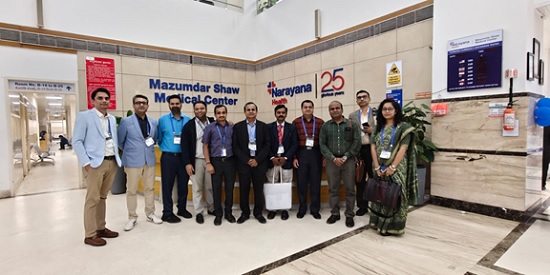
As part of Telemedicon 2025 held at the Indian Institute of Science (IISc), Bengaluru, a distinguished delegation of clinicians, technologists, policy makers and digital health leaders visited Narayana Health (NH), Bengaluru, in line with the theme of the conference “Digital Health for a Sustainable Future”. The visit offered a firsthand view of NH’s digital adoption journey and its impact on patient experience, clinical workflows and operational efficiency.
Telemedicine and Digital Health in India
India’s healthcare system is undergoing rapid digital transformation, driven by telemedicine, electronic medical records, AI-enabled analytics and integrated patient engagement platforms. Narayana Health has emerged as a national leader by embedding digital tools across its multi-hospital ecosystem.
Patient-Centric Digital Front End
A major highlight of the visit was the live demonstration of NH’s Digital Kiosks and Queue Management Systems. Patients can book appointments, make payments, select consultation slots and receive queue tokens independently. This has significantly reduced waiting times and dependence on manual front desks.
Clinical Workflow Digitisation
Delegates were introduced to NH’s integrated digital platforms, such as ATHMA and AADI, supporting one-page EMR, CPOE, nursing automation, incident reporting, discharge summaries and real-time patient monitoring. AI-powered tools like AIRA further reduce documentation burden on clinicians.
Analytics, AI and Decision Support
NH leverages advanced analytics and AI to monitor operational KPIs, predict patient volumes and optimise clinical workflows. Real-time dashboards enable leadership to take data-driven decisions, improving outcomes and efficiency.
Integrated Patient Engagement
The NH Care mobile and web platforms allow patients to book appointments, access reports and interact seamlessly with the hospital. Cloud-based CRM and communication platforms handle large-scale patient interactions efficiently.
Telemedicine and Remote Care
Narayana Health continues to expand telemedicine, remote diagnostics and specialist consultations through digital partnerships, supporting outreach to tier-2, tier-3 and rural regions.
Key Learnings
Patient experience must be central to digital design
Integrated platforms outperform fragmented solutions
AI can meaningfully reduce clinician administrative burden
Data-driven operations improve efficiency and quality
The Telemedicon 2025 delegation visit to Narayana Health showcased how purposeful digital adoption can transform healthcare delivery. NH’s journey provides a replicable model for healthcare organisations aiming to scale telemedicine and digital health sustainably.
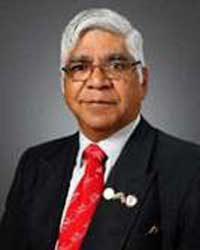
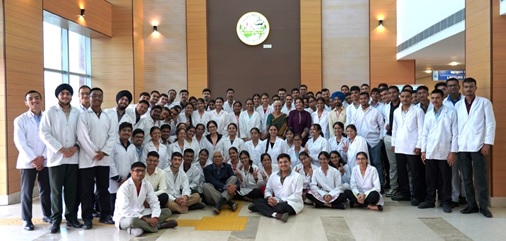
During the last fifty years I have had the opportunity to visit a number of Healthcare institutions in India and some overseas. In the last 25 years as a Digital Health evangelist I have in my own small way, trying my best to “sell’ the concept of Digital Health in its entirety. As a visiting faculty to AIIMS J it was my privilege to spend a full week there. A few weeks later while on a visit to IIM Jammu I again visited AIIMS J. It was most reassuring to experience at first hand the incredible journey of AIIMSJ to make this National Institute paperless. I am sure this is going to happen in my lifetime!! This visit was trying to convert the converted!

The website says it all!! It is eHRMS, e Office, HMIS all the way. Click on https://epravah.prd.dcservices.in/AHIMSG5/hissso/Login and you realise that we are in the era of ePravah, electronic pay roll and Accounting HR system.
Click on https://play.google.com/store/apps/details?id=com.iwayplus.aiimsjammu&hl=en_IN&pli=1 (Updated on 12 Dec 2025) and you land on AIIMS Jammu Swasthya. This app can be used by doctors and patients of AIIMS J. Patients can register in the app, book, cancel or reschedule appointments, view hospital OPD, lab and tariff enquiries. Doctors can login to the app using their credentials and access the web view for OPD LITE, and view enquiry information for OPD, lab and tariffs.
https://play.google.com/store/apps/details?id=com.iwayplus.aiimsjammu&hl=en_IN
The Indoor Navigator Appears to be the ultimate solution for finding your way around complex indoor environments with ease. Navigator app ensures you never lose your way even in this large hospital. AIIMS Jammu Kiosk is an interactive venue navigation and mapping solution designed for AIIMS J. This self-service kiosk helps visitors easily find locations, get step-by-step directions, and explore venue facilities with an intuitive touchscreen interface.
The eLibrary could not be more modern and state of the art. RFID tagged books and journals ensures that an alarm is set off. If there is any unauthorised removal. Instant access to tens of thousands of publications immediately available on large screens makes knowledge acquisition totally different. There is even a children’s section for children of faculty and staff!
The OPD has a separate section for senior citizens. Interestingly there is a counter for those aged 60 to 70 and another counter for those above 70 years!! With all the digitisation there is still a human being at these counters to help those not fully digitally literate. As one belonging to the BC era, trained in the 20th century. I am always concerned that deployment of technology may be at the cost of establishing human rapport. AIIMS J is addressing this as well! This sign board says it all. One has to search for the doctor here!
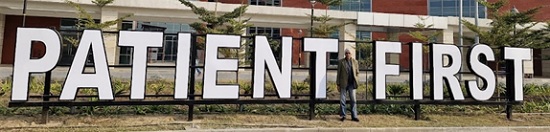
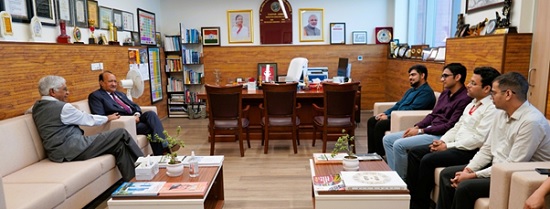
Thank you Lt Gen Narayanan President Governing Council AIIMS Jammu and Dr Shakti Kumar Gupta the first Executive Director and CEO of AIIMS Jammu for facilitating this “ awesome” experience! As highlighted https://statetimes.in/i-am-in-love-with-aiims-jammu-says-dr-krishnan-ganapathy/ I have indeed fallen in love with this institution. They have no legacy systems to disinherit. A dynamic, passionate, future ready leadership can make all the difference supported by young faculty inspired by their seniors.
Report on the Inaugural Ceremony of the Telemedicine Society of India (TSI) – Kerala Chapter Student Wing
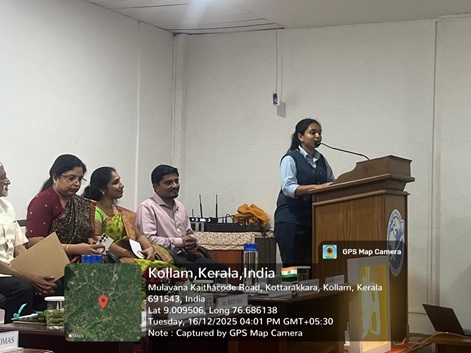
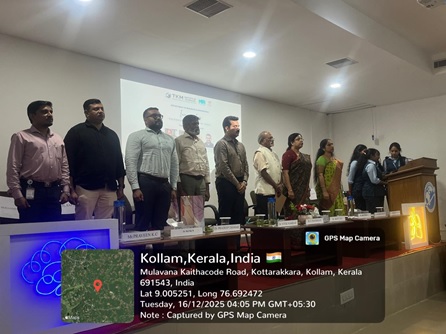
The Department of Biomedical Engineering, TKM Institute of Technology (TKMIT), successfully organized the Inaugural Ceremony of the Telemedicine Society of India (TSI) Kerala Chapter Student Wing on 16th December 2025, from 2:30 PM to 4:00 PM, at the Seminar Hall, Administrative Block, TKMIT. The programme marked a significant milestone in strengthening academic, industry and clinical collaboration in the domain of telemedicine, digital health, and biomedical innovation, while formally launching the TSI Student Wing at TKMIT.
Commencement of the Programme
The event commenced at 2:30 PM with a prayer, invoking blessings for the success of the newly established student wing and its future initiatives. This was followed by the Welcome Address delivered by Dr. Muhammed Shafeeque Rahman P P, HoD and Associate Professor, Department of Biomedical Engineering, TKMIT. In his address, he highlighted the relevance of telemedicine in modern healthcare, the importance of interdisciplinary learning, and the role of professional bodies like TSI in shaping future-ready biomedical engineers. The Presidential Address was delivered by Dr. Gouri Mohan L, Principal, TKM Institute of Technology, who emphasized the institution’s commitment to promoting professional societies, research culture, and student engagement in emerging healthcare technologies. The formal inauguration of the TSI Kerala Chapter Student Wing at TKMIT was carried out by Dr. Vivek Nambiar, Neurologist, Amrita Hospital, and President, TSI Kerala State Chapter. In his inaugural address, he provided valuable insights into the evolution of telemedicine, its growing impact on healthcare delivery, and the immense opportunities available for students in the areas of digital health, AI-driven healthcare, and remote medical services. The Felicitation Ceremony was held at 3:10 PM, recognizing distinguished guests and contributors.
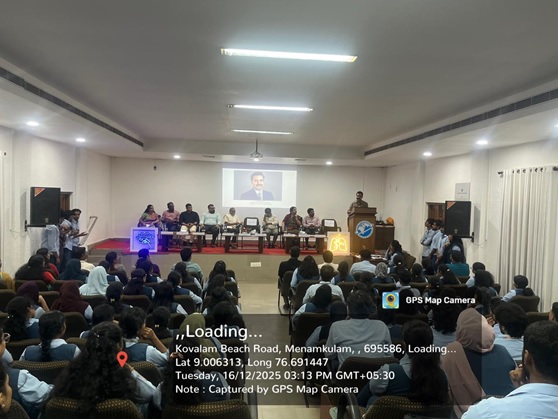
The felicitation session was graced by eminent personalities including: Mr. Bijoy M G, MD – UNARV Telemedicine and Immediate Past Secretary, TSI Kerala State Chapter, Dr. Pradeep Thomas, HoD – Emergency Medicine, KIMS Valiyath Hospital and Executive Committee Member, TSI Kerala State Chapter, Dr. Raghavan S, National Executive Member, TSI and Professor, Department of Electronics and Communication Engineering, NIT Tiruchirappalli, who was also present during the felicitation ceremony, adding academic distinction and national-level expertise to the event. Their presence reinforced the strong academic, clinical, and industry linkage promoted through the TSI platform.
Introduction of Student Wing Office Bearers
At 3:35 PM, Dr. Nitha V Panicker, Secretary, TSI Kerala State Chapter and Dr. Raghavan S, formally introduced the TKMIT–TSI Student Wing Office Bearers, outlining their roles and responsibilities in driving student-led activities, workshops, outreach programmes, and professional development initiatives under TSI. Mr Muneer (S6 BM), Ms Megha Pillai (S4 BM) and Mr Muhammed (S6 BM) were selected as office bearers of TSI Student Wing office bearers. Dr. Nitha V Panicker administered the oath to the student office bearers. Special Appreciation Awards were presented to students and faculty members who successfully cleared NPTEL examinations. This recognition acknowledged their commitment to continuous learning, academic excellence, and skill enhancement through national-level certification platforms. The awards served as motivation for the student community to actively engage in MOOCs, professional certifications, and lifelong learning.
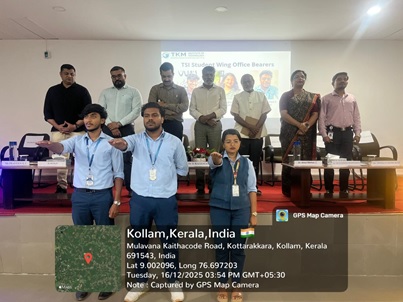
The programme concluded with a Vote of Thanks delivered by Ms. Trissa Rose, Vice-President, BLAZE Association, TKMIT, who expressed gratitude to the dignitaries, organizers, faculty members, students, and volunteers for their collective efforts in making the event a grand success. The inaugural ceremony successfully laid a strong foundation for the TSI Kerala Chapter Student Wing at TKMIT, fostering a platform for collaboration, innovation, and professional growth in telemedicine and digital healthcare. The event reinforced TKMIT’s commitment to industry engagement, research orientation, and holistic student development.